Advice and guides
Fire safety advice for owners and landlords in Epsom
Find out what the law asks of you, who holds responsibility for your building, and what happens during a visit. This fire safety advice explains how specialist firms work across Epsom and what to expect when you enquire.
Where to start with responsible person duties in flats
If you own a small block of flats in Epsom and are not sure what the law actually asks of you, the first step is finding out whether you are the responsible person. The Regulatory Reform (Fire Safety) Order places legal duties on whoever controls the shared parts of a building. That might be the freeholder, a managing agent, or both.
When the freeholder and the managing agent are different people, the responsible person duties in flats depend on who has control over the common areas. Sometimes that duty is shared. A fire consultant in Surrey can clarify where one role ends and another begins. Read more about [am I the responsible person for fire safety](/duties/responsible-person-epsom) to see how the law applies to your situation.
You do not need to work this out alone. Specialist firms handle these questions every day and can tell you exactly which parts of the building fall under your control.
Deciding between a full assessment and general guidance
Many landlords ask whether they need a full fire risk assessment or just general advice for their property. The answer depends on the building and how it is used. A house rented to a single family has different requirements from a house in multiple occupation or a block of flats.
For rented homes split into separate rooms, fire risk advice for landlords usually points toward a formal assessment. The same applies to any building where residents share corridors, stairwells or kitchens. General guidance helps you understand the basics, but a written report satisfies the law and gives you a clear record of what needs doing.
A specialist firm will look at the layout, the number of occupants, and the escape routes before deciding what level of detail the building requires. You can read more about [what a fire risk assessment covers](/fire-risk-assessment-epsom) to understand the difference between a quick review and a full survey.
What happens during a site visit in Epsom
People often want to know how quickly someone can come out and look at the building. The specialist firm sets its own diary, so you will need to ask for current availability when you get in touch. If a council letter or an insurance deadline is pressing, mention that straight away.
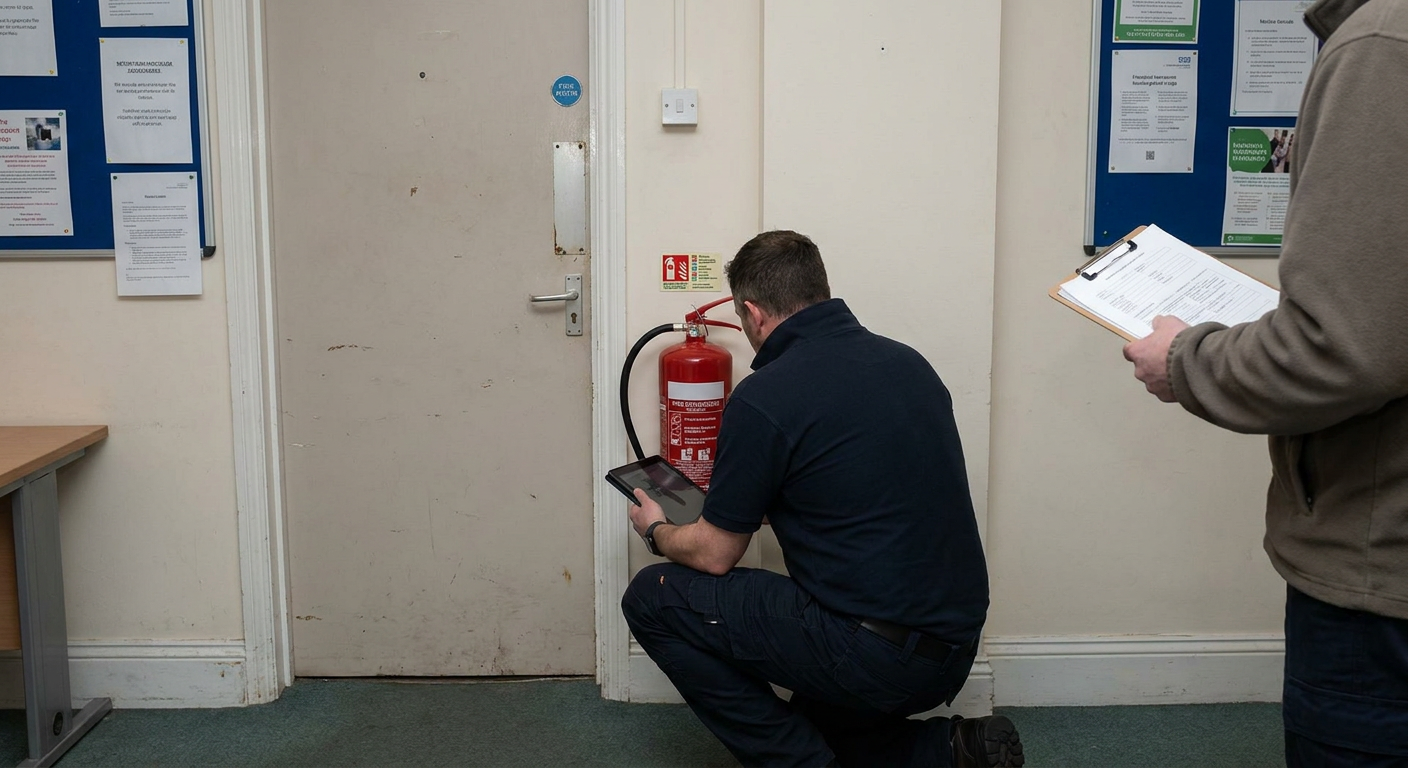
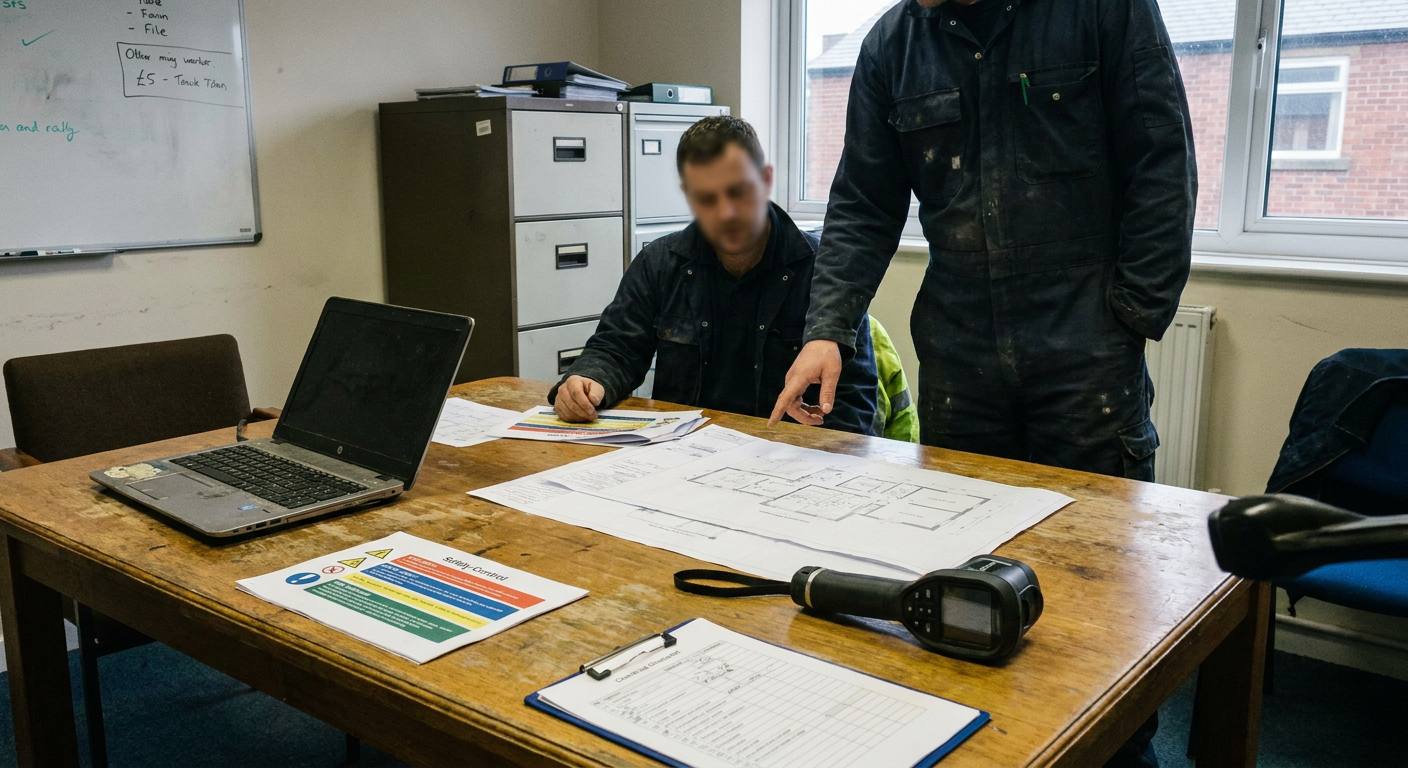
During the visit, the assessor walks through the shared areas, checks fire doors, looks at alarm systems, and examines escape routes. They note anything that does not meet current standards. You do not need to prepare the building specially, but having floor plans, previous reports, and details of any recent building work saves time.
After the visit, the assessor writes up their findings. People frequently ask how long until the report arrives. The specialist will give you a timeframe for delivery when you book. The finished document sets out what they found, what needs fixing, and a sensible order in which to do the work. Find out [how the process works](/handover/how-we-work-epsom) before you book.
Reports, insurers, and local requirements
A common question is whether an insurer will accept a written report from a local consultant. Insurers look for evidence that a competent person carried out the assessment. A report from a recognised specialist firm meets that requirement. If your insurer has specific conditions, mention them when you enquire so the assessor addresses those points directly.
The information you should have ready before getting in touch includes the address, the type of building, the number of flats or rooms, and any correspondence from the council or fire service. If you received a letter, read about [what to do if the council writes to you](/duties/council-fire-safety-letter-epsom).
This kind of fire safety help in Epsom applies to buildings across the area, from flats near the high street to converted houses further out. Knowing who checks fire safety in Epsom means looking for established specialist firms that produce detailed written reports rather than verbal summaries.
What to look for around your building
The same sign can mean very different things depending on where it appears and what else is happening in the building. Here is what certain details usually point to.
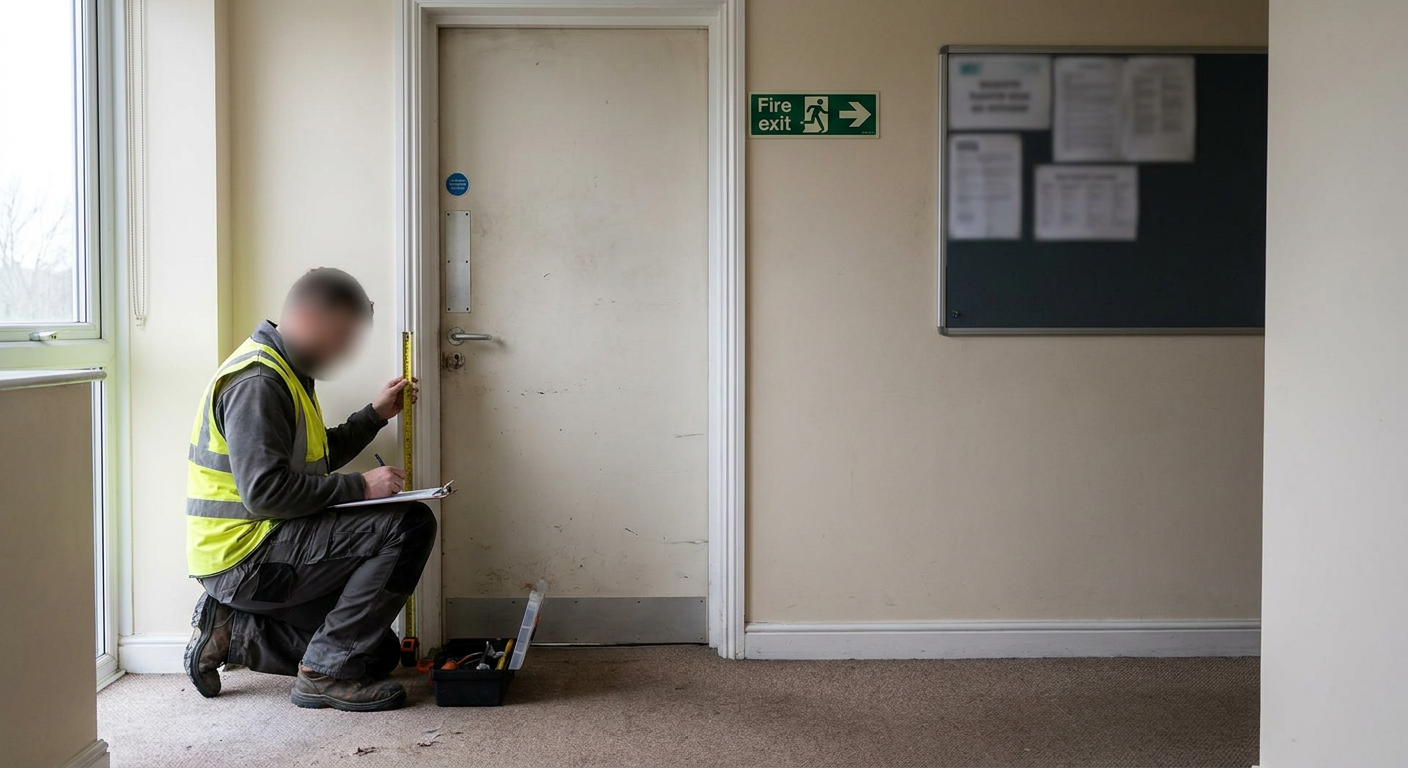
- Gaps around the edges of flat entrance doors
- Smoke could pass through in a fire. A [fire door inspection](/fire-door-inspection-epsom) would confirm if the seals and hinges still work.
- Holes where pipes go through walls in hallways
- Gaps in walls or floors between flats often mean compartmentation has failed, allowing smoke and fire to travel. A specialist [compartmentation survey](/compartmentation-survey-epsom) traces every breach and sets out what needs sealing.
- No fire action notices on the walls
- When residents do not know how to leave the building during an emergency, the escape route is unclear. Written [evacuation plans](/fire-evacuation-plans-epsom) set out exactly who goes where and when.
- A letter from the local council about fire safety
- A letter from the council usually means a concern has been raised about shared areas or escape routes. Following the steps for handling a [council fire safety letter](/duties/council-fire-safety-letter-epsom) clarifies what must happen next.
What affects the cost of a visit
Every building differs in size, layout, and use, so the amount of work involved changes from one job to the next.
- Size of the building
- More floors and common areas take longer to examine, so the scope of the visit increases.
- Number of separate dwellings
- Each flat door and its surrounding frame must be checked individually.
- Complexity of the layout
- Buildings with multiple staircases or unusual corridors require more detailed escape route analysis.
- Previous documentation
- Having existing floor plans or older reports reduces the time needed to gather basic information.
The specialist firm will explain the cost of your particular job before anything is agreed.
Ask about your building
Send a description of your building and what concerns you. A specialist firm will read it and reply with what they recommend. Sending an enquiry does not commit you to booking anything.
- No obligation to proceed
- Clear next steps outlined
- Local specialists respond