HMO assessments
HMO fire risk assessment in Epsom for landlords
Find out what Epsom and Ewell Borough Council expects from an HMO fire risk assessment, which alarm grade a shared house needs, how bedroom doors are judged, and what the specialist records for your licence application.

What the council looks for in an HMO licence application
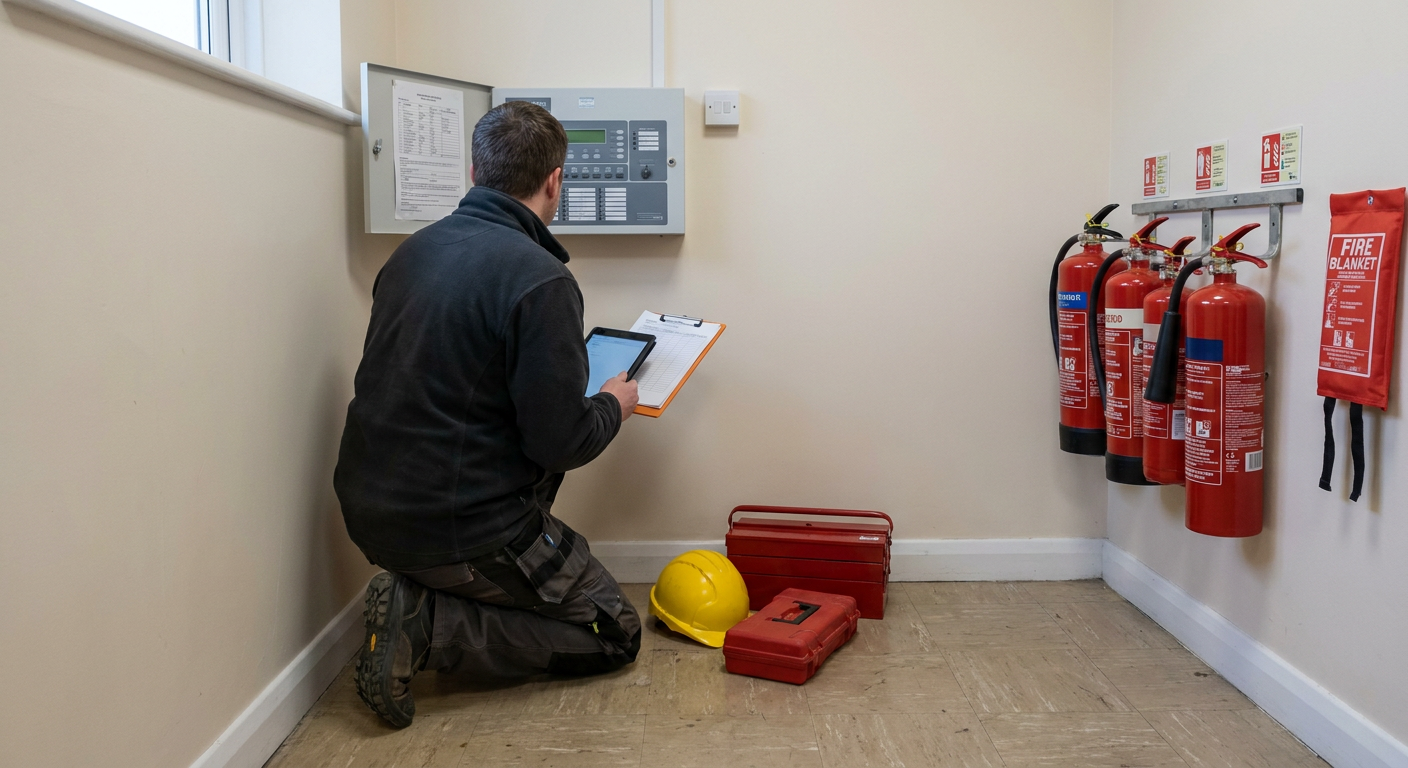
Epsom and Ewell Borough Council requires a suitable and sufficient fire risk assessment before it grants or renews an HMO licence. The assessor examines escape routes, fire detection systems, emergency lighting and the physical separation between rooms. A landlord fire risk report Ewell accepts must name the hazards found, rate their severity and set out actions with deadlines.
The specialist firm carries out the hmo fire risk assessment Epsom landlords rely on to satisfy licensing conditions. They inspect every common area, check that compartmentation holds between each letting room and the hallway, and verify that any fire doors close fully onto their seals. Their written record follows the format the council expects, so the licensing officer can read it without asking for further detail. If you need to understand the broader process, the <a href="/fire-risk-assessment-epsom">fire risk assessment guide</a> explains what happens during a visit.
Alarm grades and categories for shared houses
Most shared houses in Epsom require a Grade D1 Category LD2 fire alarm system. That means mains powered detectors with a battery backup, installed in the hallways, landings, kitchen and living room. Bedrooms usually need individual smoke alarms, often interlinked so that one detector waking up triggers the rest.
The exact fire alarm grade for HMO properties depends on the number of storeys, the layout and whether the building has been converted. A bedsit fire safety inspection might call for a higher category if occupants cook inside their rooms rather than sharing a kitchen. The specialist determines this during the survey by checking where a fire is most likely to start and how fast smoke would reach sleeping areas. Read more about <a href="/stories/smoke-and-heat-alarms-in-epsom-rented-homes-and-flats">smoke and heat alarms in rented homes</a> to see how these systems differ from standard domestic setups.
Fire doors and self-closers on bedroom entrances
Not every internal door in a shared house needs to be a fire door, but those protecting the escape route almost always do. The specialist inspects the gaps around the leaf, tests the hinges and confirms that intumescent strips and cold smoke seals sit correctly in their grooves. A door that binds on the carpet or slams shut too fast fails the check. If the building needs closer attention, a dedicated <a href="/fire-door-inspection-epsom">fire door inspection</a> covers every frame.
Single staircases in converted Victorian houses
Many HMOs in Epsom occupy large Victorian terraces with a single staircase running from the ground floor to the roof space. Because there is no second way down, the assessor treats the stairwell as a protected escape route that must remain clear of smoke for long enough to evacuate every room.
The specialist checks that the walls and ceilings enclosing the stairs offer adequate fire resistance. They look at whether the hallway doors shut properly and whether the final exit opens without a key. Where the original layout leaves bedrooms opening directly onto the stairs, extra measures such as enhanced detection or upgraded doors become necessary. A <a href="/compartmentation-survey-epsom">compartmentation survey</a> maps exactly where fire stopping is missing behind skirting boards or above ceilings. Older conversions often need these targeted upgrades rather than a full rebuild of the stair enclosure.
Costs, reports and arranging a visit quickly
Fees for an hmo fire safety check Epsom vary with the size of the building and the number of letting rooms. The quoted price typically includes the site visit, the assessment itself and the written report formatted for submission to Epsom and Ewell Borough Council. Ask the specialist firm for a figure based on your floor plan before booking.
If your licence application is already sitting with the council, mention the deadline when you make an enquiry. The specialist firm schedules visits across Surrey and can often attend a shared house fire assessment Surrey clients need within days rather than weeks. You will receive the completed document shortly after the inspection, ready to attach to your paperwork. Check the <a href="/duties/hmo-licence-fire-safety">hmo licence fire safety conditions</a> page for more detail on what councils ask landlords to provide.
Tenant access and review frequency
You must give tenants reasonable notice before anyone enters their rooms. Twenty four hours written notice is standard practice. Explain that the visit is a legal requirement for the HMO licence and that the assessor needs to see inside each bedroom to check window locks, smoke alarms and electrical sockets.
Once the initial assessment is done, the law requires it to stay current. A change of tenant does not automatically trigger a new inspection, but significant alterations to the building, a fire incident or a shift in how rooms are used all mean the document needs updating. As a rule, the specialist firm advises reviewing the assessment annually. The <a href="/duties/how-often-reassessed">reassessment guide</a> explains when a fresh visit becomes necessary and what changes count as material.
Related services
Other fire safety work for HMO landlords
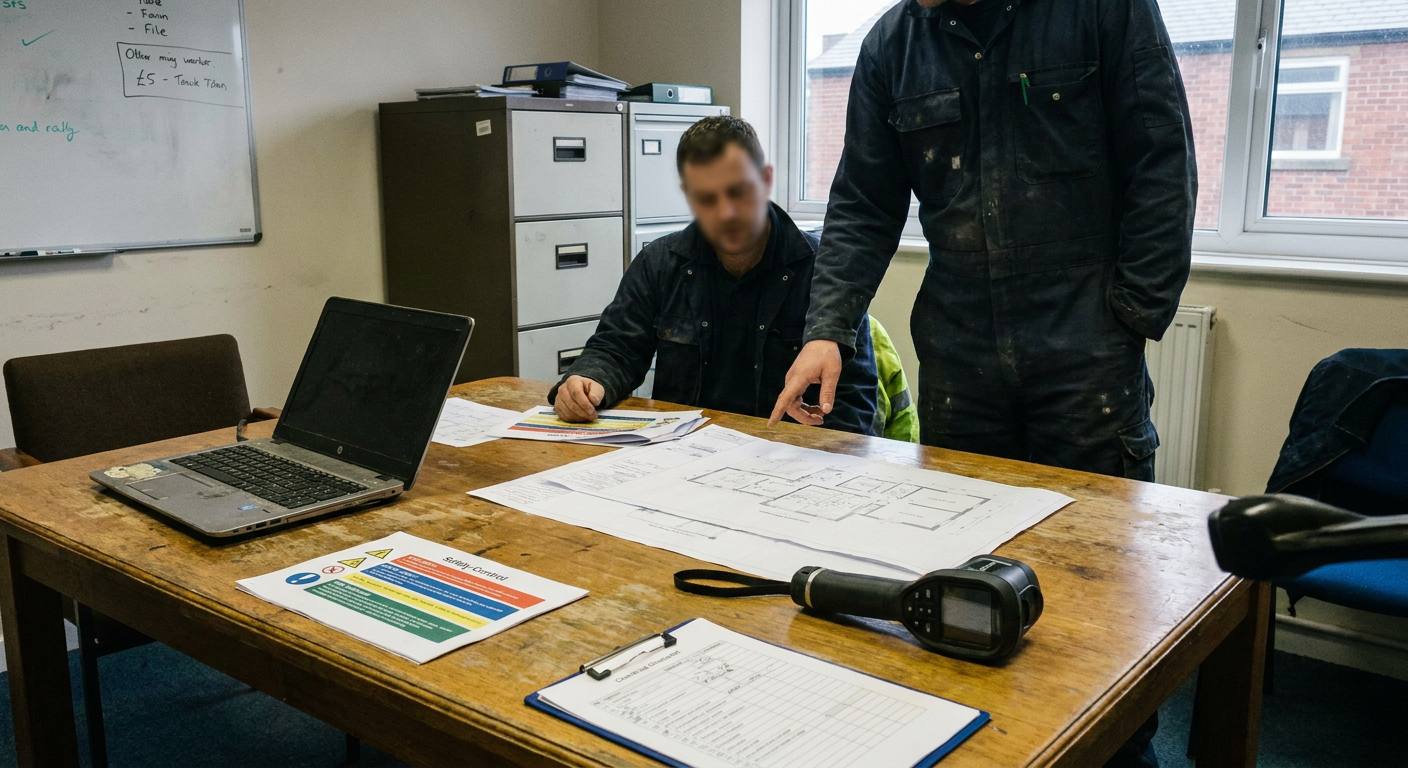
- Fire strategy
- A written plan showing how the building layout, alarms and escape routes work together to keep tenants safe.
- Evacuation plans
- Clear instructions pinned in common areas telling occupants which route to take and where to gather outside.
- Fire safety policy
- Written procedures for managing risks day to day, including how to handle blocked exits and faulty alarms.
- Equipment checks
- Testing extinguishers and blankets placed in shared kitchens or utility rooms to confirm they still work.
Questions about HMO fire risk assessments
Landlords and letting agents in Epsom often need clarity on HMO fire risk assessment requirements before a licence application proceeds. These are the questions that come up most frequently about shared houses and bedsits.
What does the council expect in an HMO fire risk assessment?
Epsom and Ewell Borough Council expects a written record identifying hazards, evaluating risk to tenants, and listing actions with deadlines. The specialist firm formats the report to match licensing requirements.
What grade and category of alarm does my shared house need?
Most shared houses in Epsom require a Grade D1 Category LD2 system. The specialist confirms the exact specification based on the layout, number of storeys and cooking arrangements during the visit.
Do all bedroom doors need to be fire doors with closers?
Bedroom doors opening onto the escape route generally need thirty minute fire rating and self-closers. Doors between en-suite bathrooms and bedrooms usually do not. The assessor judges each one individually.
How do you deal with a single staircase in a Victorian house?
The specialist treats the stairwell as a protected route. They check fire resistance of enclosing walls, door ratings and whether extra detection compensates for the lack of a second escape path.
How much does an HMO assessment cost?
Fees depend on the number of rooms and storeys. The price normally includes the site visit and the written report for the council. Request a quote with your floor plan for an exact figure.
How soon can you visit if my application is with the council?
Tell the specialist firm your deadline when you enquire. They schedule visits across Epsom and surrounding towns and can often attend within days to prevent delays to your licence application.
Do I need to tell tenants before inspecting their rooms?
Yes. Give at least twenty four hours written notice. Explain that the inspection is a legal requirement for the HMO licence and that the assessor needs access to every bedroom.
How often should the assessment be reviewed?
Review it annually or whenever significant changes occur, such as building works, a fire incident or a change in how rooms are used. New tenants alone do not require a fresh assessment.
Arrange an HMO fire risk assessment
Send your details and the address of the shared house. The specialist firm will reply with availability and a price. Enquiring does not commit you to booking.
- No obligation to proceed
- Report included in the fee
- Fast scheduling in Epsom