Enforcement guide
Fire service letter about fire safety: what to do next
A letter from the fire authority can feel alarming. Find out what each type of notice means, how long you have to respond, and what evidence usually satisfies Surrey Fire and Rescue Service for buildings in Epsom.


Receiving a fire brigade inspection letter for your business
When a fire service letter about fire safety arrives at your home or workplace in Epsom, the first thing to check is the date printed on it. Surrey Fire and Rescue Service sets a deadline for every response, and that deadline dictates everything else you do next.
An audit letter typically follows a routine visit. It lists observations and asks you to confirm that work has been done. A notice of deficiencies goes further: it identifies specific breaches of the Regulatory Reform (Fire Safety) Order 2005 and gives a fixed period, often 28 days, to correct them. An enforcement notice is the most serious. It carries legal weight, names the responsible person, and failure to comply is a criminal offence.
If you are wondering how long you have to reply, look at the final page of the document. The deadline will be stated there. Responding to a fire safety audit before that date shows cooperation. Missing it leaves the enforcing officer with little choice but to escalate. For landlords managing houses in multiple occupation, licence conditions set by Epsom and Ewell Borough Council may run alongside these notices. Check your HMO licence fire safety conditions to see if both apply.
What evidence satisfies the fire service
Surrey Fire and Rescue Service needs proof that the risks they identified have been dealt with. Council fire safety compliance evidence usually takes the form of written reports produced by a competent person. A specialist firm carrying out a fire risk assessment in Epsom will produce a document that records hazards, evaluates who is at risk, and sets out the measures taken to reduce that risk.
If the letter points to doors that fail to hold back smoke, a fire door inspection report detailing gaps, seals and self-closing mechanisms provides the necessary record. Where fire spread between rooms or floors is the concern, a compartmentation survey maps the barriers and notes any missing fire stopping. These documents, prepared by separate specialist firms, give the enforcing officer something concrete to review.
Paperwork matters too. Evacuation plans showing escape routes, records of staff attending fire safety awareness training, and certificates from fire extinguisher testing all demonstrate that the building is managed properly. Keep copies of everything you send. The fire authority will almost certainly return to inspect again after you respond, so having organised files makes that revisit straightforward.
Deadlines, appeals and keeping your premises open
A common question is whether an assessment can be completed quickly enough to meet the deadline in the letter. Specialist firms working across Epsom, Ewell and Ashtead regularly handle urgent instructions prompted by enforcement action. Contact them as soon as the letter arrives rather than waiting until the final week.
Closure is rare but possible. If the risk to occupants is immediate, the fire authority can issue a prohibition notice restricting access to part or all of a building while issues are sorted out. This is why early action matters. If you disagree with the findings, you can appeal a fire enforcement notice through the magistrates' court within 21 days of receiving it. Legal advice is strongly recommended before taking that step.
You should also tell your insurer that you have received this letter. Most commercial and landlord policies require you to notify them of any enforcement action. Failing to do so could affect your cover if a claim arises later. If the original letter came about because a tenant complained, the process remains the same, but expect the follow-up inspection to be thorough. Document every repair and keep communication with residents clear and recorded.
Signs the fire authority might write to you about
Letters from Surrey Fire and Rescue Service usually follow an inspection or a complaint. They focus on visible problems around your home or workplace that suggest fire risks are not being managed properly.
- 1
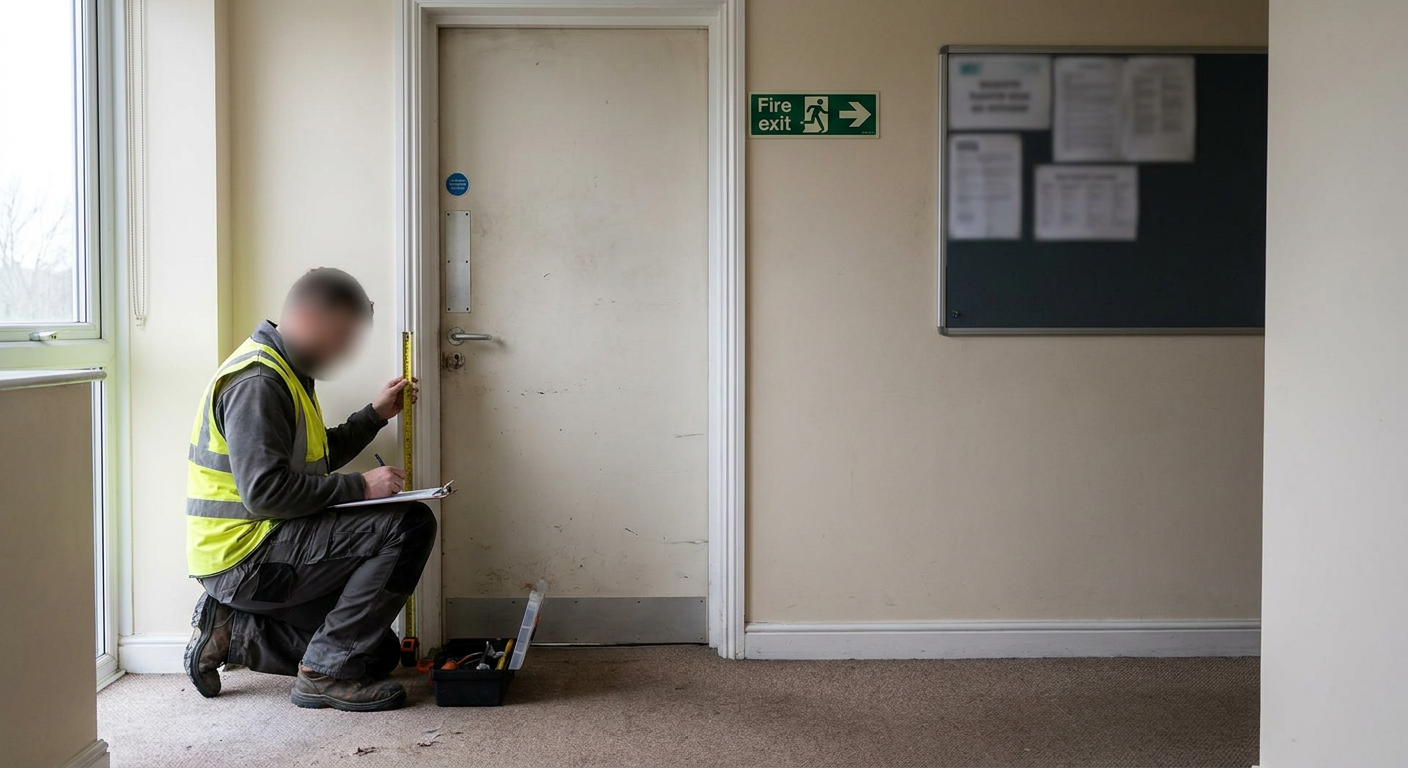
Doors that do not close fully
A fire door left wedged open, or one that fails to latch shut on its own, is a frequent reason for enforcement action.
- 2
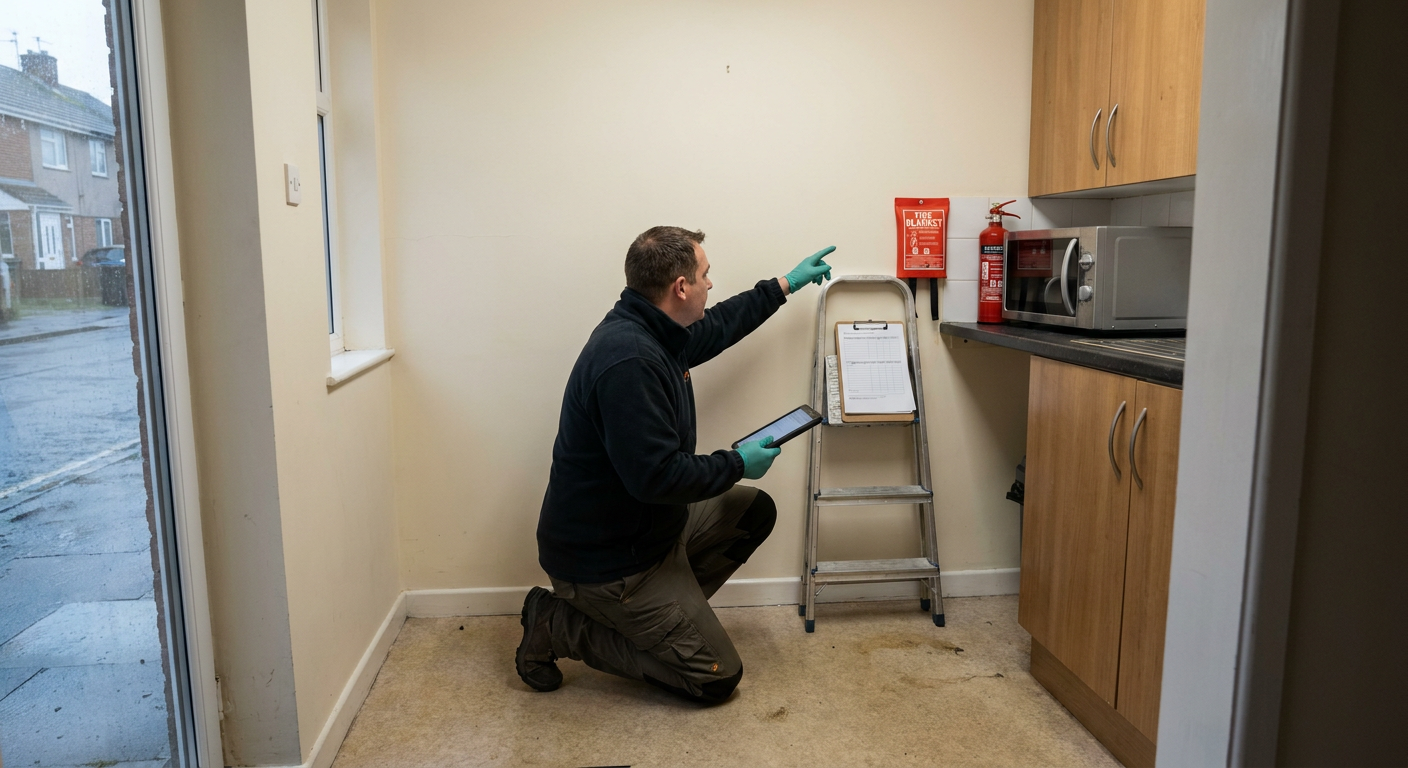
Gaps around pipes and cables
Holes where plumbing or wiring passes through walls allow smoke to travel between rooms and floors unchecked.
- 3
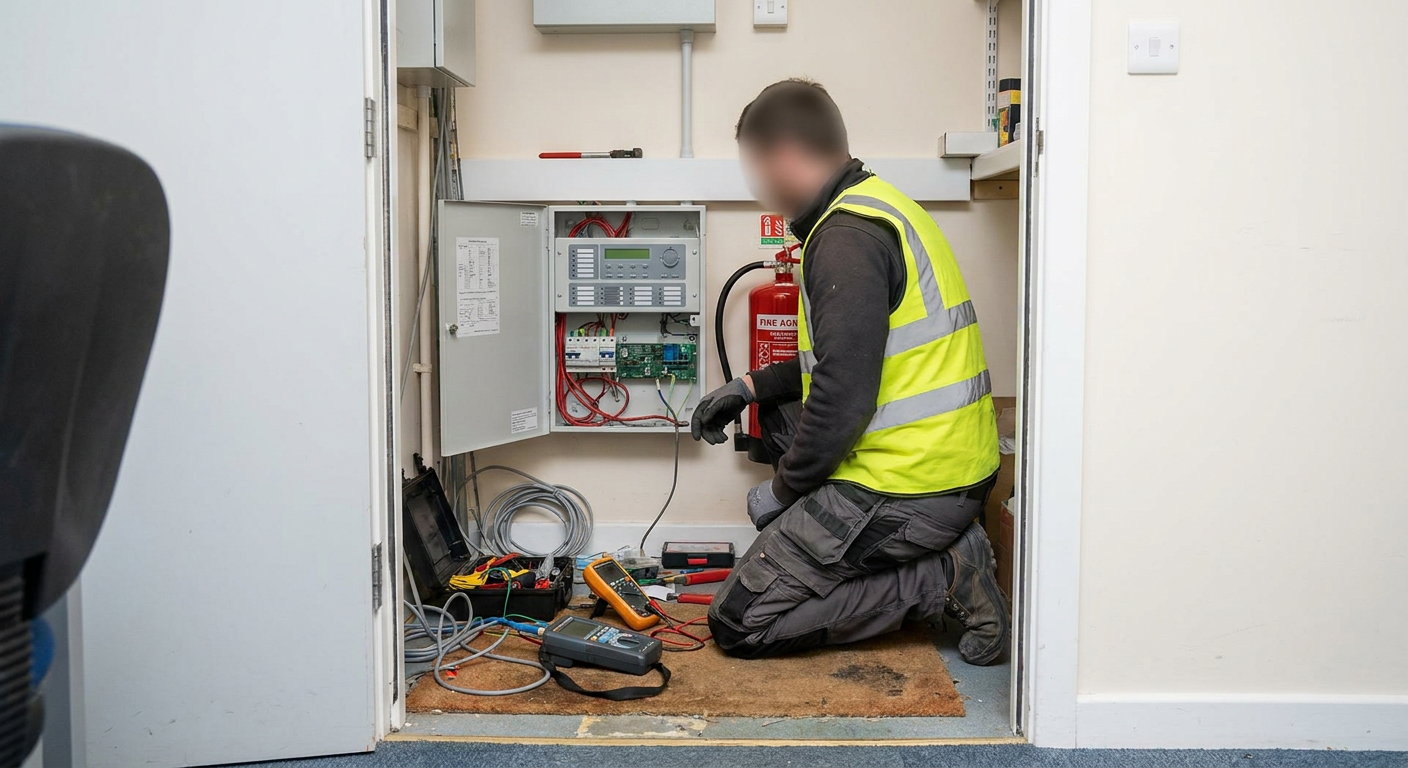
Blocked corridors or stairs
Furniture, boxes or bins stored along escape routes restrict movement and increase the danger during a fire.
- 4
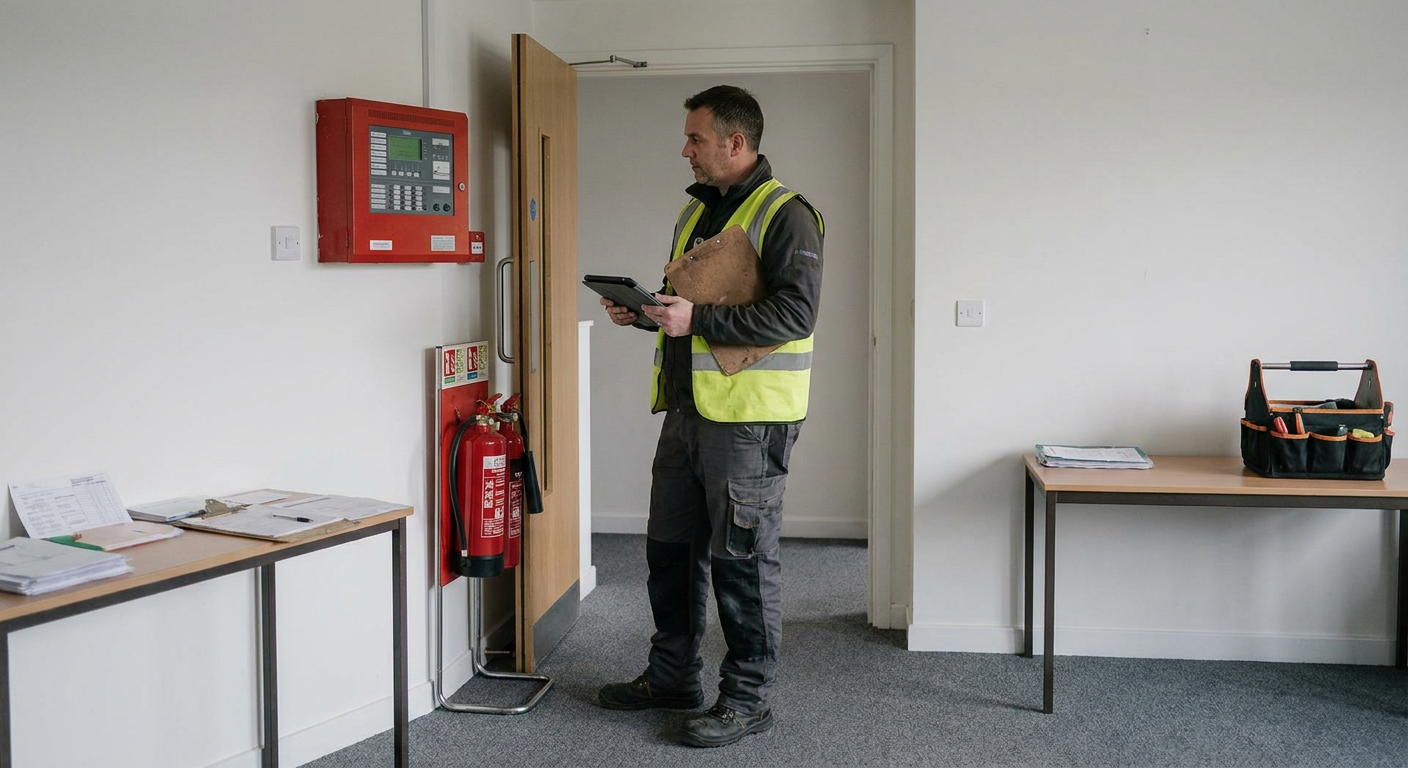
Missing alarm records
No log of weekly fire alarm tests suggests the system is not being maintained or checked by anyone responsible.
Steps after receiving an enforcement notice
- 1
Read the deadline
Check the date on the letter from Surrey Fire and Rescue Service to establish exactly how many days remain.
- 2
Identify the requirements
Note every deficiency listed and determine which specialist firm handles that particular area of fire safety.
- 3
Commission the work
Instruct a competent firm to carry out the necessary assessments, inspections or repairs at your Epsom building.
- 4
Submit your evidence
Send the completed reports and certificates to the enforcing officer before the stated deadline expires.
- 5
Prepare for a revisit
Keep all documentation accessible because the fire authority will likely return to verify the corrections.
Need help understanding your fire safety letter?
Send the details of the letter you received. A specialist firm can review the requirements and advise on the work needed to satisfy the fire authority. There is no obligation to proceed.
- No commitment required
- Local Epsom specialists
- Urgent deadlines handled