Fire safety guide
How often a fire risk assessment is redone
Find out what the law says about review periods, which changes to your building demand an earlier look, and what paperwork proves your Epsom home or premises is covered.
Is there a legal interval for a fire risk assessment?
There is no fixed expiry date written into law. The question of how often fire risk assessment redone depends on the building itself, who uses it and what risks are present. A small office with stable occupancy might go longer between reviews than a block of flats where tenants move frequently.
The responsible person must keep the document under review. That means looking at it when circumstances change, rather than waiting for a calendar date. For blocks of flats in Epsom, many managing agents arrange an annual fire review as a matter of routine, even if nothing obvious has shifted. This habit keeps shared corridors, stairwells and plant rooms under regular observation.
If you hold an assessment that is three years old, whether it remains valid depends entirely on what has happened in the building since it was written. Three quiet years in a single-occupancy house may be fine. Three years in a converted property where new walls have gone up and different people sleep there every month probably means the document no longer reflects reality. Read more about <a href="/duties/responsible-person-epsom">who holds this duty</a>.
Changes that mean you should redo the assessment
Knowing when to redo fire assessment comes down to spotting changes in the building or the way people use it. A refurbishment is one of the most common triggers. Knocking through a wall, adding a loft conversion or fitting a new kitchen alters escape routes and the way smoke moves. A fire assessment after refurbishment checks that the new layout still allows everyone to get out safely. You can read about how <a href="/stories/loft-conversions-in-epsom-escape-windows-and-doors">loft conversions affect escape windows and doors</a> in local homes. A change of tenant matters too. If a family moves out and a group of sharers moves in, the sleeping risk increases. Any shift in the number of vulnerable people, such as older residents or young children, also warrants a fresh look. After a fire or a near miss, the existing document needs immediate attention. What seemed like a low risk before an incident may now need different controls. Find out more about <a href="/fire-risk-assessment-epsom">what a full assessment covers</a>. The specialist carrying out the work reviews the original report alongside the physical changes rather than starting from scratch where the baseline information remains valid.
Updating an existing assessment versus starting over
An existing assessment can usually be reviewed and updated rather than rewritten from scratch. The specialist walks the building again, compares what they see against the original notes and amends the sections that no longer fit. If the structure, use and occupants remain broadly the same, much of the groundwork stays valid.
Where the building has changed heavily, a full reassessment makes more sense. Adding an extra storey, splitting a large house into separate flats or converting commercial space into student accommodation all alter the fundamental risk profile. In those cases, patching the old document leaves gaps.
For landlords running houses in multiple occupation, keeping the paperwork current is tied to licensing. Epsom council expects the assessment to reflect the present layout and tenancy. An outdated file can stall a licence application. See what councils typically ask for in <a href="/duties/hmo-licence-fire-safety">HMO licence conditions</a>.
What a review visit involves and who needs to attend
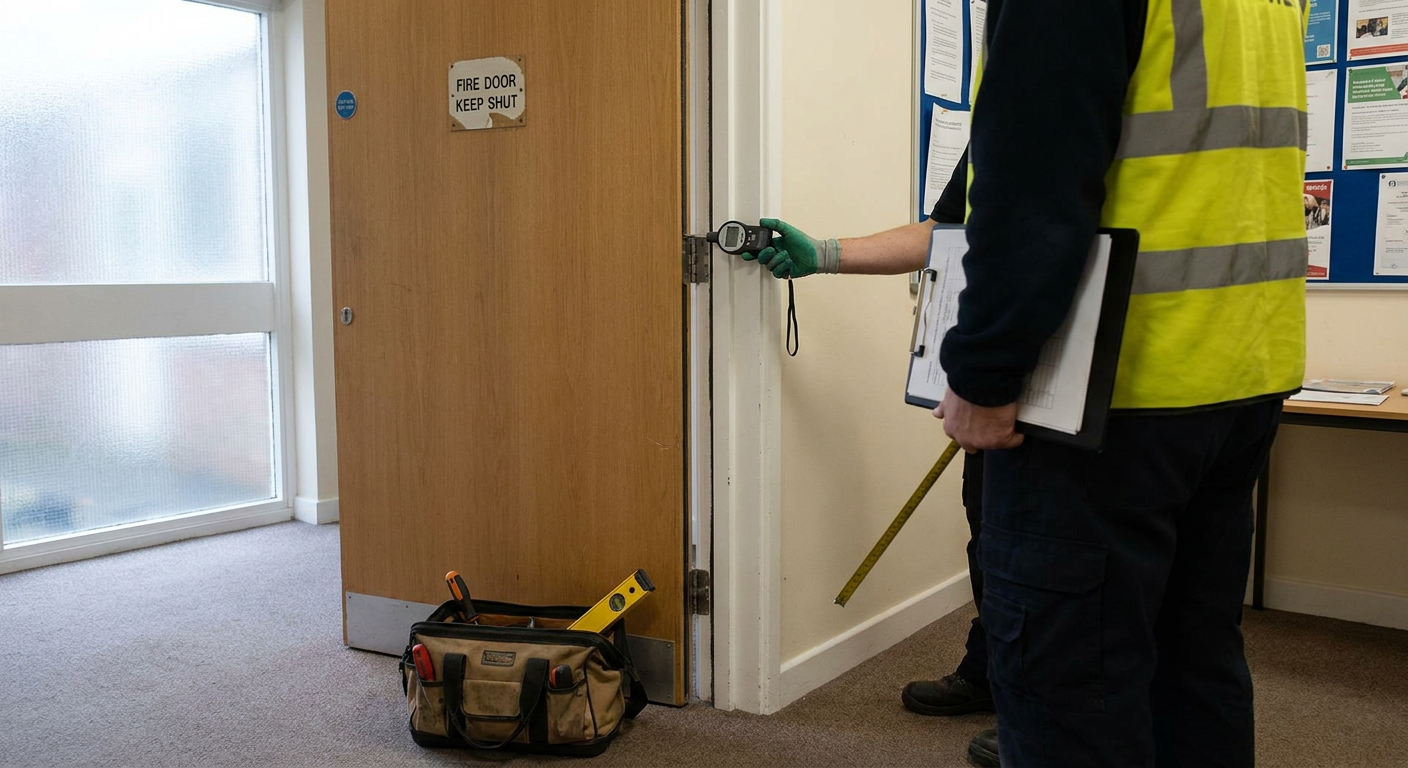
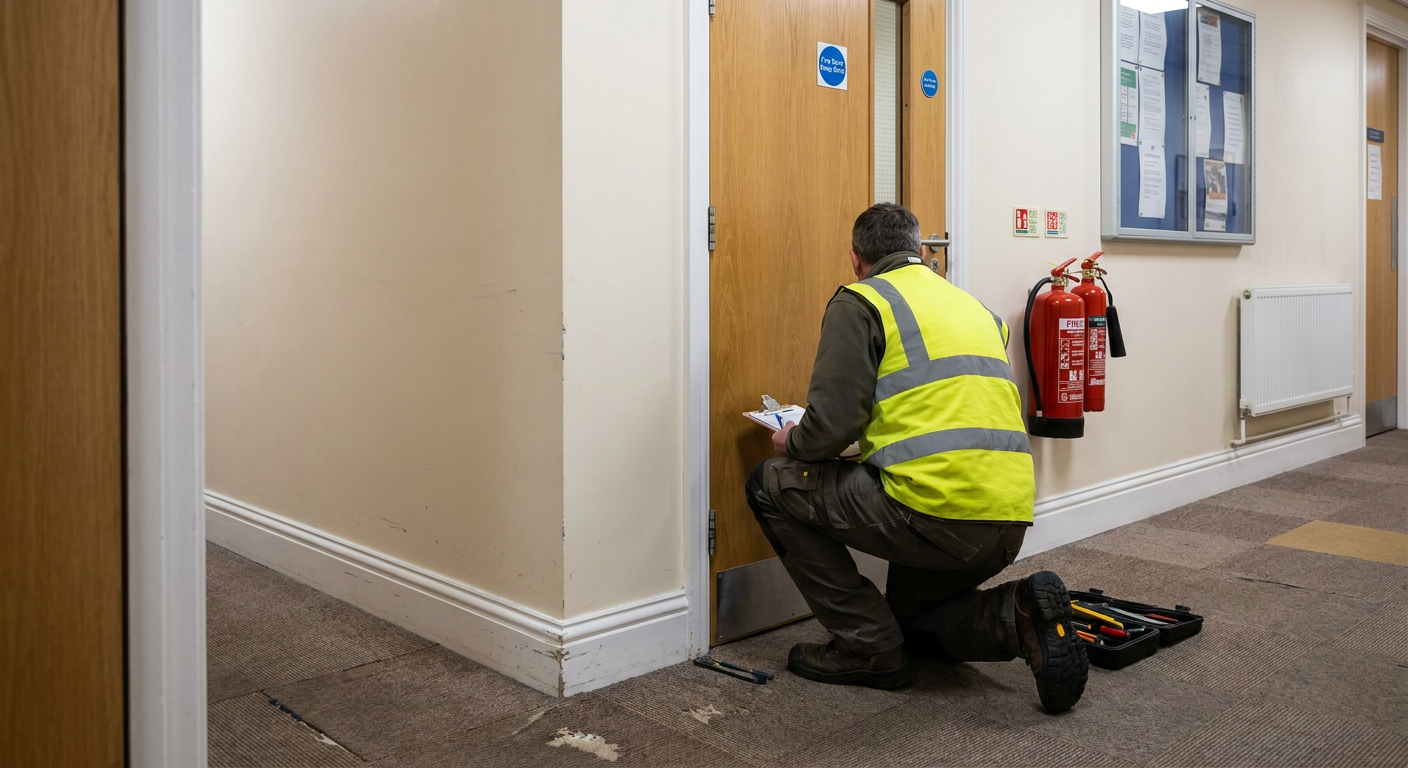
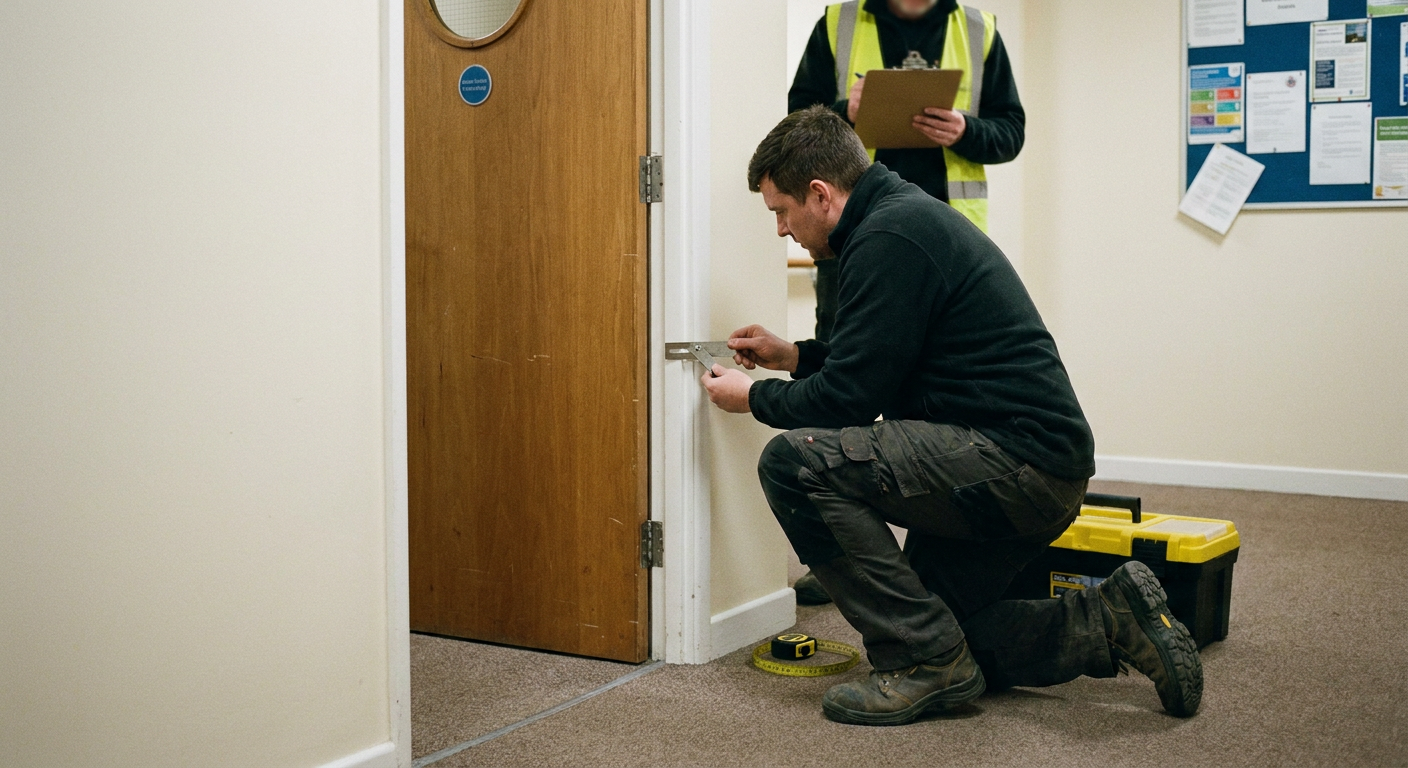
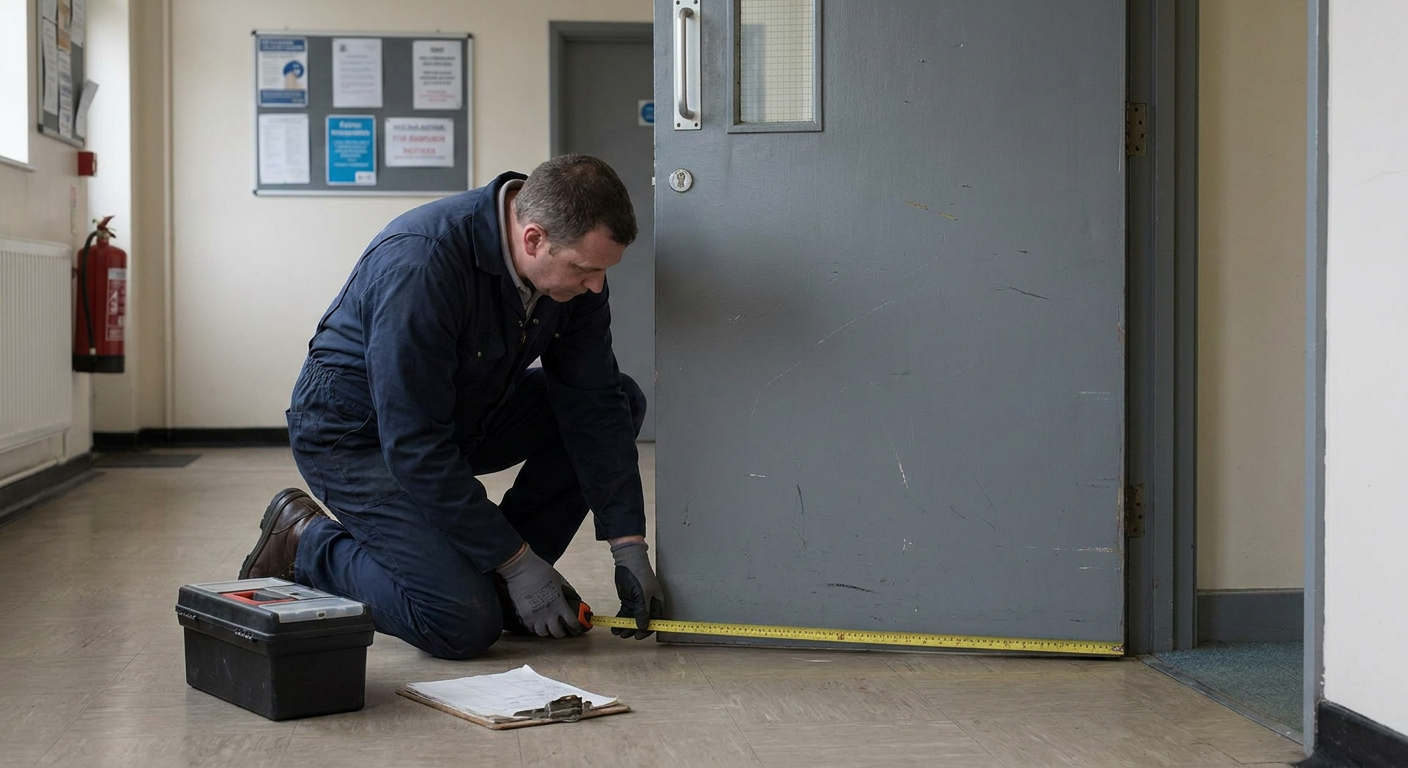
A review visit is shorter than a first assessment because the specialist already has the baseline document. They walk the same routes, check fire doors, look at alarm points and verify that previous recommendations were acted on. Where new work has been done, such as a partition wall or a changed lock, they examine how it affects escape.
You do not always need to be present for the entire visit, but someone must let the specialist in and provide access to all areas, including roof spaces, risers and locked cupboards. For rented homes, arranging access with tenants beforehand avoids delays.
Once the visit is complete, the specialist issues an updated report. Keep the original assessment alongside any reviews so you can show a continuous record. If a fire officer or council inspector asks for proof that your fire risk management is current, this file is what they will want to see. Learn how <a href="/handover/how-we-work-epsom">a typical visit works</a>.
Keeping your Epsom building records straight
Paperwork matters as much as the physical checks. Every time an assessment is reviewed or redone, the new version should be dated, signed and stored with the previous ones. Do not throw old reports away. They form a timeline that shows you have maintained oversight.
If you manage several properties around Epsom, Ewell or Ashtead, keeping each file separate prevents confusion during inspections. Note any interim actions you took between formal reviews, such as replacing a broken door closer or servicing extinguishers. These small steps demonstrate ongoing attention.
A review period is only as good as the follow-up. When the specialist recommends action, record when it was completed and by whom. This closes the loop between identifying a problem and fixing it. More detail on <a href="/fire-safety-policy-and-procedures-epsom">written procedures</a> explains how to organise these records properly.
Signs your fire risk assessment needs updating
Buildings change quietly. A new lock, a moved partition or a different type of tenant shifts the risk without anyone noticing until something goes wrong.
- 1
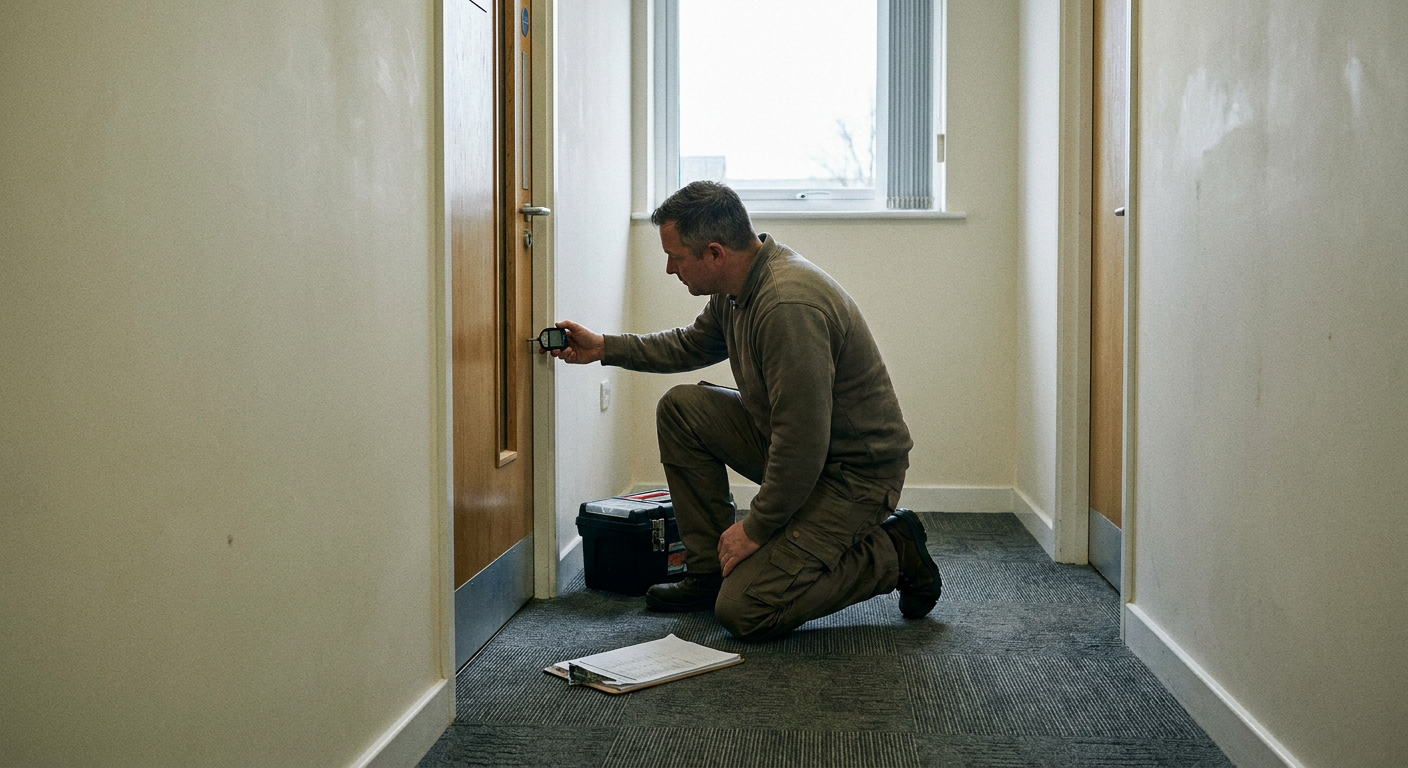
New internal walls or doors
Fresh plasterboard or a newly hung door suggests layout changes that alter how smoke travels and how quickly people can leave.
- 2
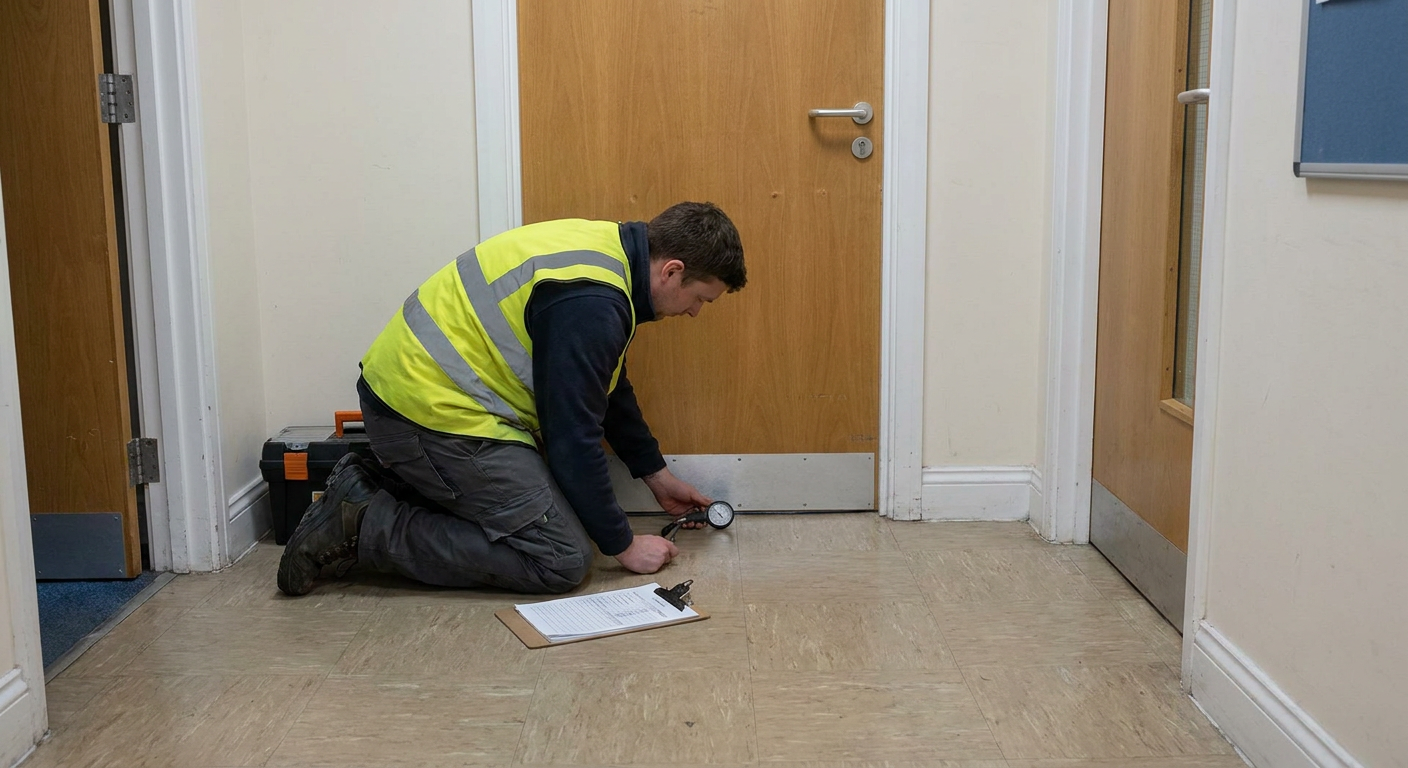
Different people sleeping there
More occupants, younger children or less mobile residents change the speed and support needed during an evacuation.
- 3
Changed locks on exit doors
A new thumb turn or keypad on a final exit door can slow people down in the dark if they do not know how it works.
- 4
Recent building work nearby
Scaffolding, skip bins or stored materials outside can block the route people would normally use to reach a safe place.
- 5
Missing or damaged fire equipment
Absent extinguishers, painted-over alarm call points or wedged-open fire doors suggest the controls listed in the report are no longer in place.

What affects the cost of a review
Every building differs in size, layout and use, so the work required to bring an assessment up to date varies from one job to the next.
The specialist will explain the cost for your specific building before any work is agreed.
- Size of the building
- More floors and rooms take longer to walk, measure and record accurately.
- Extent of changes made
- A minor update costs less than reassessing a building after heavy structural alteration.
- Number of occupants
- A change in how the building is used, or who lives there, means the assessor must rethink escape routes and update the entire fire strategy.
- Previous documentation quality
- A clear original report speeds up a review; missing records mean more groundwork.
Ask about reviewing your assessment
Send your details and the specialist firm handling enquiries will respond to discuss what your building needs. Submitting an enquiry does not commit you to booking anything.
- No obligation to proceed
- Local to Epsom
- Clear next steps