Seasonal guide
Fire safety checks before term starts
Find out what a pre tenancy safety inspection in Surrey covers, from alarm tests to escape routes. Learn when to book and what happens if something needs attention before new tenants arrive.
Why September matters for student lets around Epsom
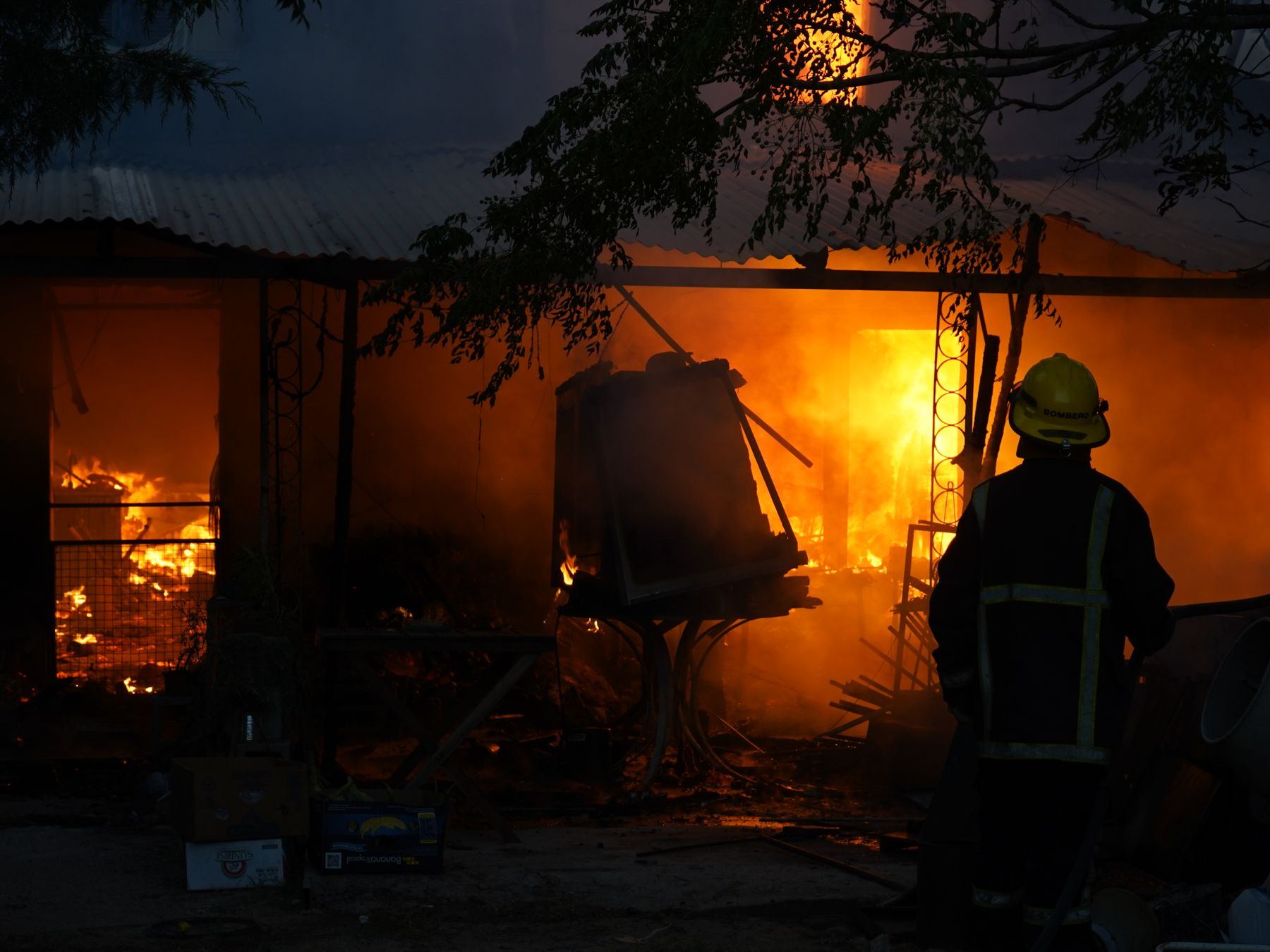
Every year, landlords and accommodation managers around Epsom go through the same cycle. Tenancies end in summer, rooms sit empty or get turned over fast, and new students arrive in September. That gap is the window for fire safety checks before term starts.
A student let fire check in Epsom usually means testing alarms, looking at doors, and making sure escape routes are clear. It sounds straightforward, but small things get missed during the rush of changeovers. A door closer that was unscrewed by last year's tenant, a smoke head painted over, or bikes left in a shared corridor all add up.
The law places duties on the responsible person for each building. In a house in multiple occupation, that is typically the landlord or managing agent. In a block of flats, responsibilities split between leaseholders and the freeholder. Knowing who holds which duty matters before anyone books work. You can read more about [am I the responsible person for fire safety](/duties/responsible-person-epsom) to see where your obligations begin.
What to check before new tenants move in
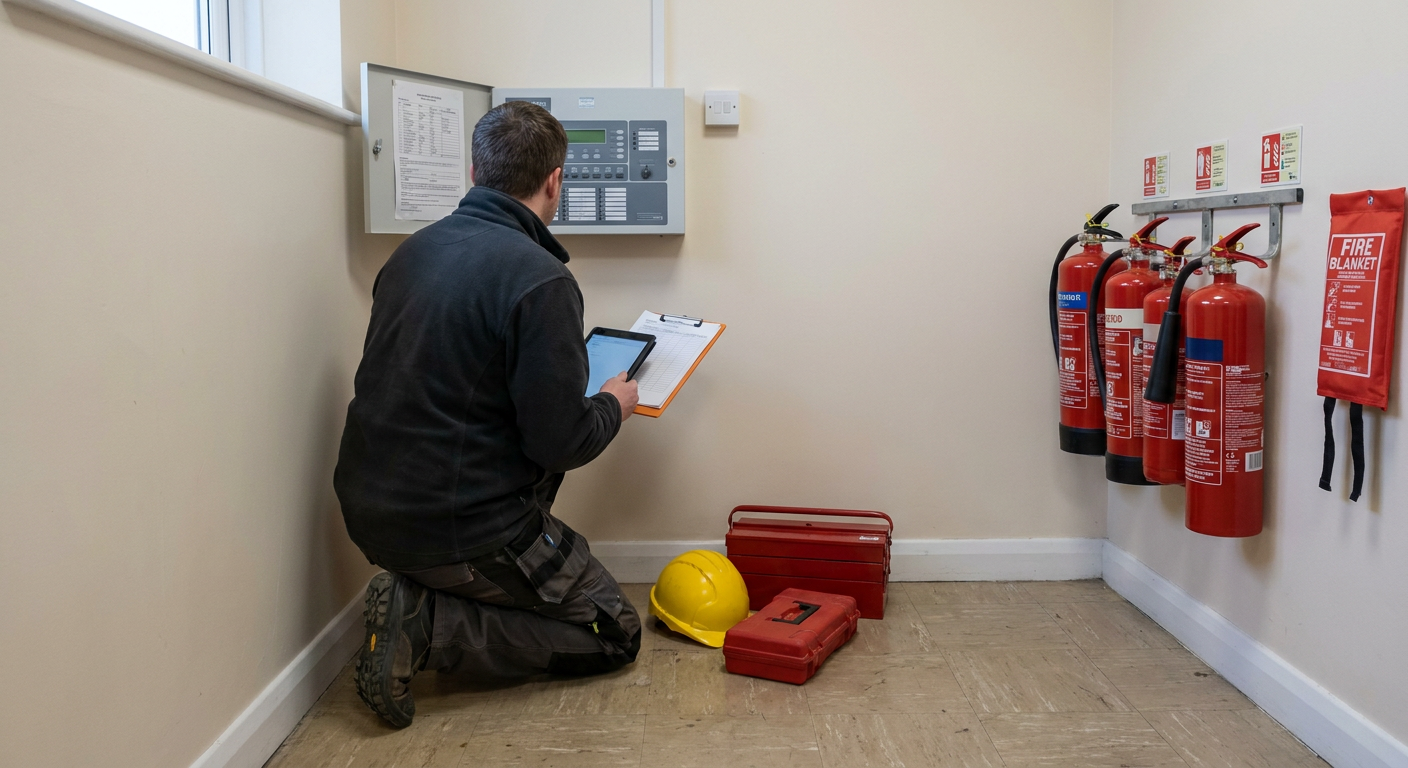
A pre tenancy safety inspection in Surrey should cover several specific areas. Start with detection. An HMO alarm test before September confirms that every smoke and heat detector works, that the panel shows no faults, and that batteries in standalone units are fresh. The specialist firm will test each call point and sounder so you have a record that the system functioned on that date.
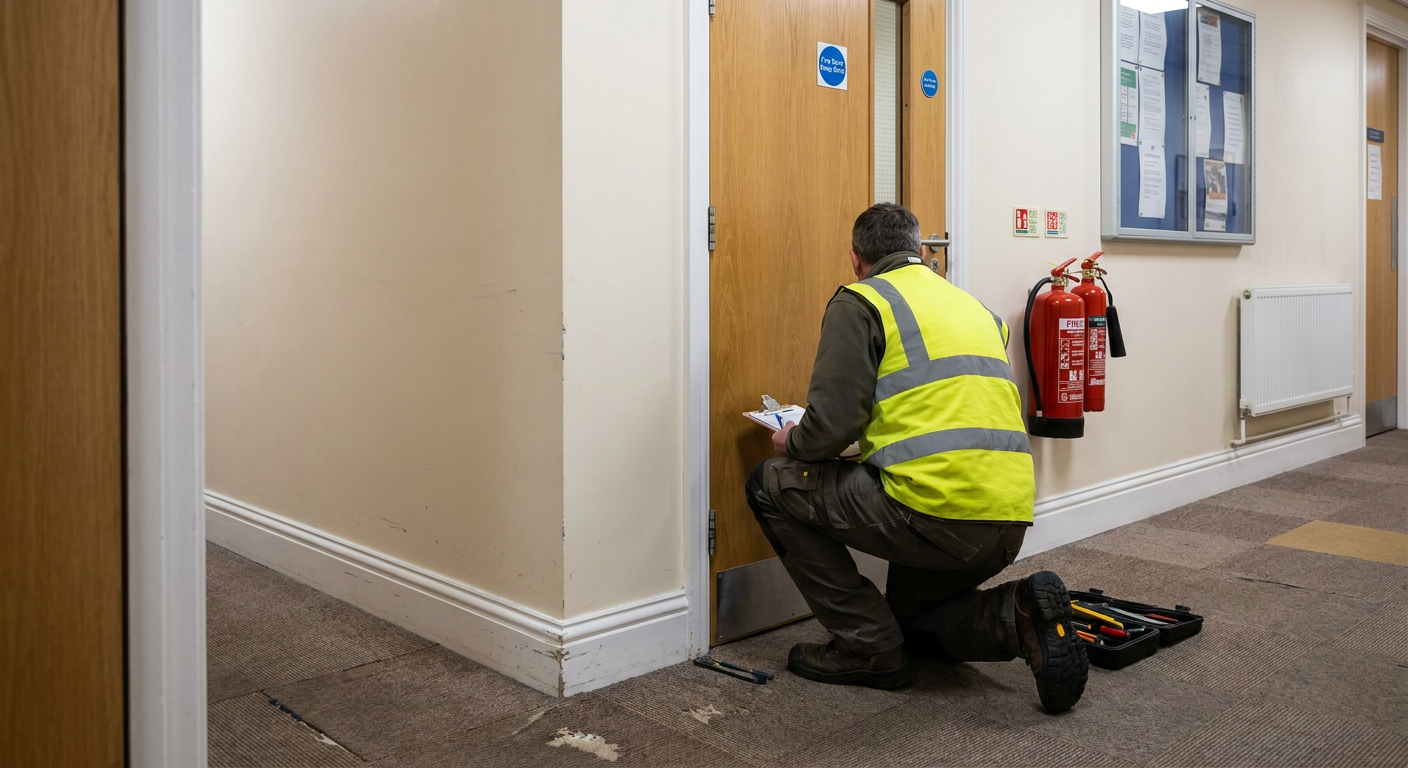
Next, look at compartmentation. Flat entrance doors must close fully onto their seals without sticking. If a self closer is missing from a flat door because previous tenants removed it, the door fails its purpose. The specialist firm inspects gaps, hinges, intumescent strips, and the closing device itself. They note anything that requires repair before the next occupant moves in.
Escape route clutter rules are strict. Bikes, bin bags, shoes, and pushchairs in a shared hallway reduce the width available during an evacuation. Even a narrow obstruction can be enough to fail a check. Clear everything out before the inspection so the specialist firm sees the corridor as tenants would use it in an emergency. Read about [fire evacuation plans in Epsom](/fire-evacuation-plans-epsom) to understand how routes are mapped.
When to book the work and who does it
Timing causes problems every August. Landlord fire checks for a new tenancy should be booked well before the first moving van arrives. Six to eight weeks gives enough room for the visit, the report, and any repairs that follow. Waiting until late August leaves no margin if a door needs replacing or wiring needs attention.
The checks can happen while previous tenants are still living in the home, provided they allow access. The specialist firm needs to enter every room, test alarms, and inspect doors. Giving tenants notice is a legal requirement, and coordinating access across multiple rooms in a shared house takes planning.
Responsibility for shared hallways in converted houses depends on the lease or licence. Often the landlord manages the internal common parts, while structural elements remain with the freeholder. Clarify this early so the right person commissions the [HMO fire risk assessment in Epsom](/hmo-fire-risk-assessment-epsom). The specialist firm assesses the whole building regardless, but the invoice and the action plan need a named recipient.
Evidence, insurers, and failed items
Insurers frequently ask for written evidence that checks took place. A verbal confirmation that someone looked at the alarms is rarely enough after a claim. The specialist firm produces a written report detailing what was tested, what passed, and what needs attention. Keep this document with your tenancy records. You may also want to review the [fire safety policy and procedures](/fire-safety-policy-and-procedures-epsom) you hold for the building.
If something fails and term starts in two weeks, prioritise life safety items first. A broken alarm panel or a fire door that will not shut must be addressed immediately. The specialist firm will classify findings by risk, separating urgent defects from minor recommendations. Some repairs take days; others require parts that take longer to source.
For larger buildings or purpose-built student accommodation near Epsom, a full [compartmentation survey](/compartmentation-survey-epsom) might be necessary rather than a visual walk-through. This looks inside cavities and above ceilings to confirm fire stopping is intact. Book these earlier in the summer, as they take longer to complete and produce more detailed reports.
Common signs noticed before term begins
Different problems show up in different ways during the turnover period. What looks minor to a landlord might matter more to the specialist firm carrying out the inspection.
- Door closer unscrewed from the frame
- A missing self closer on a flat door means it will not shut automatically in a fire. The specialist firm will note it for immediate replacement.
- Bikes stored along the landing
- Obstructions narrow the escape route below the required width. The specialist firm will ask for them to be moved before signing off the area.
- Alarm panel showing a yellow fault light
- A fault indicator suggests a detector or circuit has failed. The specialist firm traces the cause and tests the system once repaired.
- Smoke detector covered in paint
- Paint blocks the sensor chamber and stops it from detecting smoke. The specialist firm replaces the head and retests the zone.
Arranging your pre-term checks
You only need to describe the building and the tenancy dates. The specialist firm handles the rest, from testing alarms to writing the final report.
-
Step 1
Describe the building and dates
Provide the address, the number of rooms, and when new tenants arrive. This helps the specialist firm allocate enough time for the visit.
-
Step 2
Confirm the appointment
The specialist firm sets a date for the inspection. Arrange access with outgoing tenants if they are still living in the home.
-
Step 3
The inspection takes place
The specialist firm tests alarms, examines doors, checks escape routes, and notes any defects. You receive a written record of findings.
-
Step 4
Fix what needs fixing
If the report highlights urgent issues, arrange repairs before the new tenancy begins. Minor recommendations can often wait until later in the term.
Ask about pre-term checks in Epsom
Send the details of your building and your September dates. You will receive information about what the specialist firm covers, with no obligation to proceed.
- No commitment required
- Local to Epsom
- Written details provided