Articles and guides
Fire Risk Management Articles and Guides for Epsom Owners
Read about the problems that affect homes, flats and workplaces in Epsom. Find out what a crack near a door frame means, why alarms stop working, and when a specialist firm needs to look at your building.
Alarms and detection in local buildings
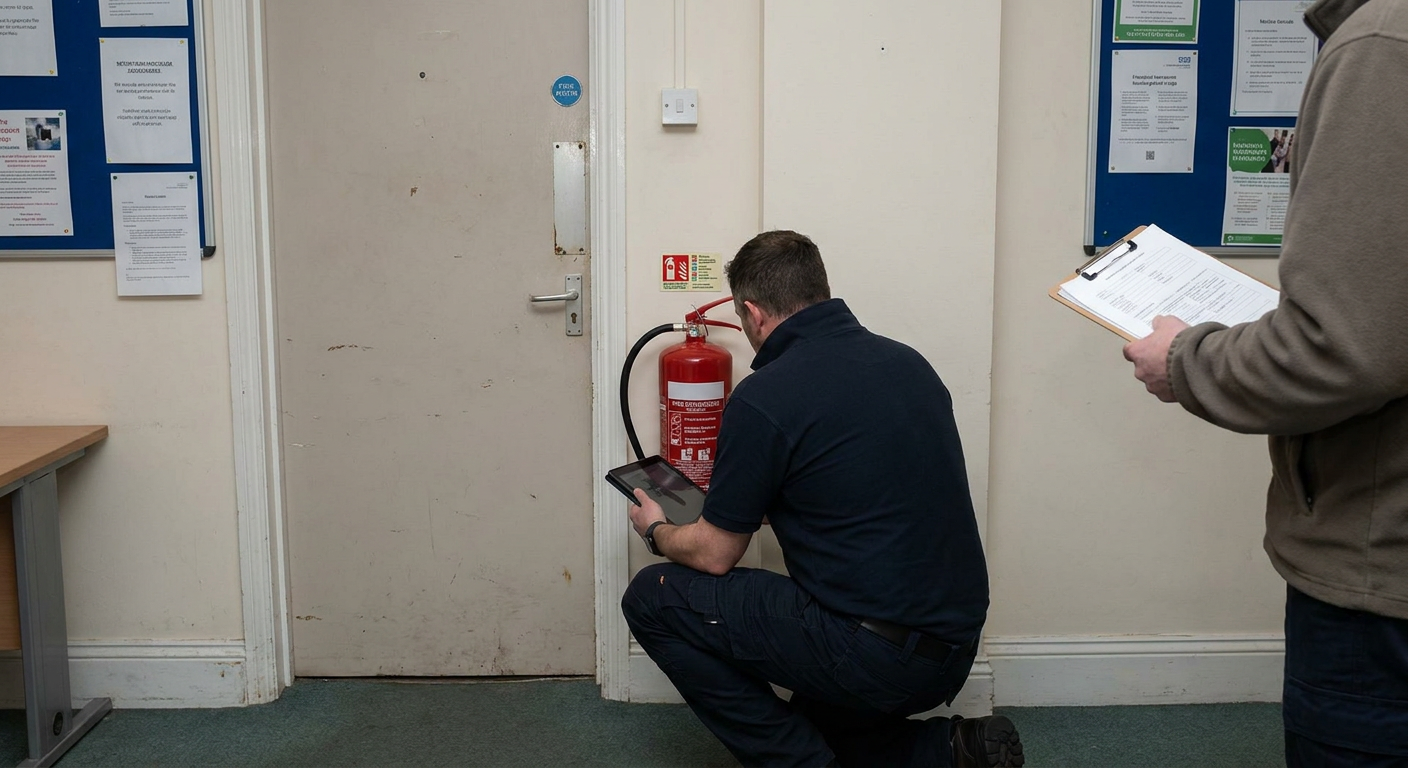
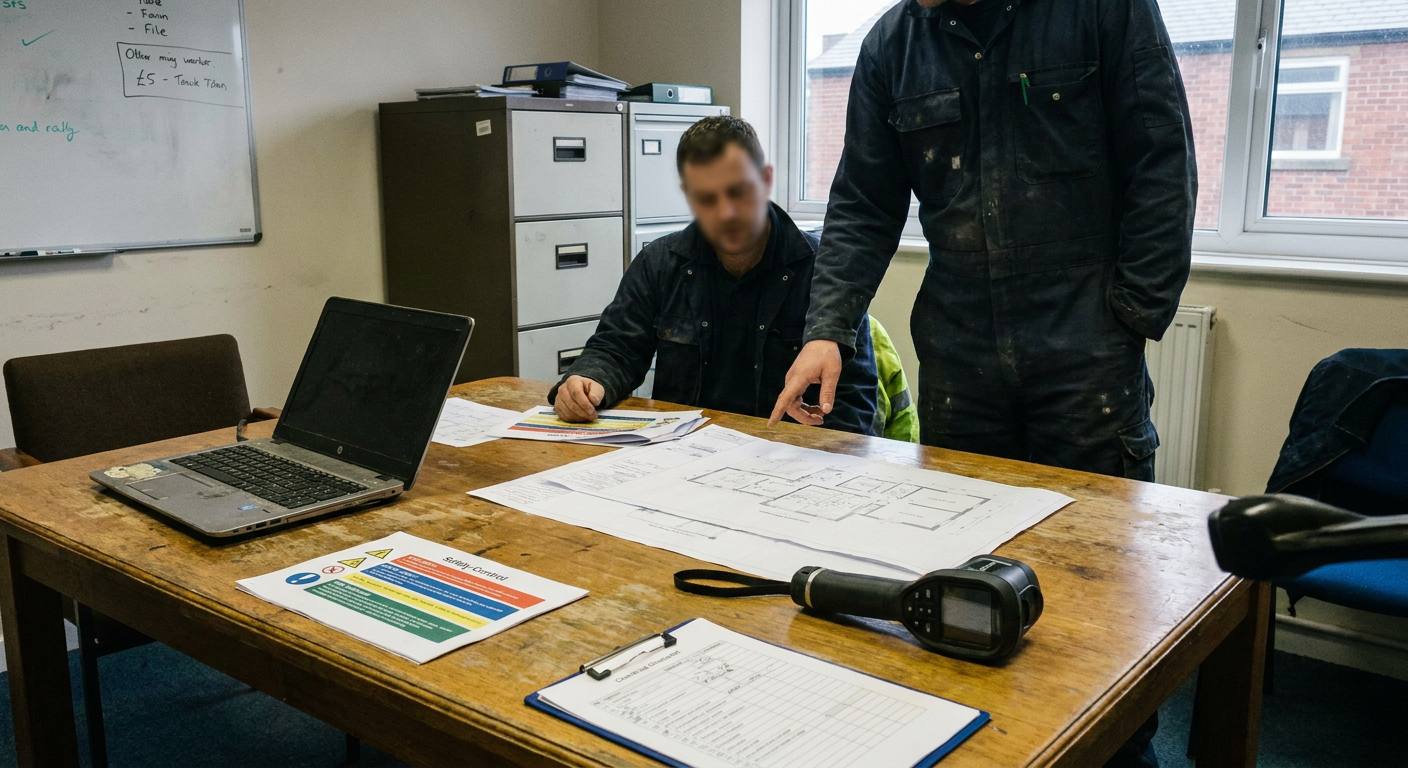
A fire alarm that fails during a test leaves everyone in the building without warning. In Epsom, older commercial premises often have systems that were installed decades ago and upgraded in stages. That patchwork approach creates gaps where one panel does not talk to another.
Specialist firms carry out testing and servicing on these systems to confirm every detector, call point and sounder works as intended. The work involves checking battery backups, cleaning sensors and recording faults so they can be fixed before they matter. Read more about [fire alarm testing and servicing in Epsom buildings](/stories/fire-alarm-testing-and-servicing-in-epsom-buildings) to see what a visit involves.
Rented homes and converted flats have different requirements. Landlords must fit smoke and heat alarms in specific locations, and those devices need regular checks too. A missing alarm in a hallway or a kitchen is a common reason councils issue enforcement notices. The guide to [smoke and heat alarms in Epsom rented homes and flats](/stories/smoke-and-heat-alarms-in-epsom-rented-homes-and-flats) sets out where each type belongs and who is responsible for maintaining them.
Escape routes and structural changes
Adding a loft conversion changes how people leave a house. The new room sits above the existing staircase, which means a fire starting downstairs can block the only way out. Building control requires an escape window or a protected stair enclosure, but older conversions sometimes lack both. The article on [loft conversions in Epsom: escape windows and doors](/stories/loft-conversions-in-epsom-escape-windows-and-doors) explains what the regulations demand and what happens when a home falls short. Larger buildings need written plans that tell occupants exactly where to go. An evacuation plan maps every route, marks assembly points and accounts for people who cannot use stairs. Without one, confusion delays escape. Find out how a specialist firm drafts [fire evacuation plans in Epsom](/fire-evacuation-plans-epsom) and why the document must reflect the actual layout rather than a generic template.
Electrical faults and deliberate fires
Electrical problems cause more fires in Epsom than any other single source. Overloaded extension leads, damaged wiring behind plasterboard and faulty appliances left running overnight are the usual culprits. Homeowners rarely notice the warning signs until a socket discolours or a breaker trips repeatedly.
Workplaces face the same risks with added complications from server rooms, industrial equipment and temporary cabling during refurbishments. A specialist firm identifies these hazards during a [fire risk assessment in Epsom](/fire-risk-assessment-epsom) and recommends practical fixes. The piece on [electrical fire risks in Epsom homes and workplaces](/stories/electrical-fire-risks-in-epsom-homes-and-workplaces) goes into detail about what inspectors look for.
Arson is a separate problem that affects shops, offices and communal areas in blocks of flats. Unsecured bins, open letterboxes and unlit alleyways give someone the opportunity to start a fire deliberately. Reducing that risk involves physical changes to the building and its surroundings. Read about [reducing the risk of arson at Epsom business premises](/stories/reducing-the-risk-of-arson-at-epsom-business-premises) for measures a specialist firm might recommend after inspecting the site.
Flats, HMOs and shared buildings
Living above or beside strangers means relying on the structure between you to hold back fire. Compartmentation is the term for dividing a building into sealed sections so that smoke and flames stay contained. When pipes, cables or ducts pass through walls and floors, the gaps around them must be filled with approved materials.
A specialist firm carries out a [compartmentation survey in Epsom](/compartmentation-survey-epsom) to find every breach. Missing fire stopping is common in older blocks where maintenance work over the years has disturbed the original seals. The article on [waking watch in Epsom flats](/stories/waking-watch-in-epsom-flats-when-it-is-put-in-place) explains what happens when those breaches are serious enough to require constant patrols while repairs take place.
Houses in multiple occupation carry additional duties. Landlords must meet council licensing conditions that specify alarm types, door ratings and escape lighting. Failing to comply can result in fines or the loss of the licence itself. The guide to [HMO licence fire safety conditions](/duties/hmo-licence-fire-safety) lists what councils in the area typically ask for before approving an application.
High street businesses and daily operations
Shops and cafes on Epsom high streets operate in tight spaces with kitchens, stockrooms and public areas sharing a single floor. A fire starting in a fryer or behind stacked cardboard spreads fast, and customers unfamiliar with the layout need clear direction to the exit.
A specialist firm reviews these environments and produces a [fire strategy for Epsom buildings](/fire-strategy-epsom) that accounts for opening hours, delivery schedules and staff turnover. The notes on [fire safety for shops and cafes on Epsom high streets](/stories/fire-safety-for-shops-and-cafes-on-epsom-high-streets) cover the specific issues that come up in retail and hospitality settings.
Staff training matters as much as the physical precautions. People who work in a building every day need to know how to raise an alarm, where extinguishers are kept and when to leave rather than fight a fire. Specialist firms deliver [fire safety awareness training in Epsom](/fire-safety-awareness-training-epsom) to cover those basics. For staff with extra responsibility, such as sweeping a floor or calling the emergency services, [fire warden training in Epsom](/fire-warden-training-epsom) provides the detailed procedures they need to follow under pressure.
Ask a question about your building
Send details about your home or workplace and a specialist firm will respond with advice on what to do next. There is no obligation to book anything.
- No obligation to proceed
- Local specialists respond
- Advice tailored to you