Student housing
Student accommodation fire safety in Epsom halls
Shared student houses and purpose-built blocks around the university campus carry specific risks. Find out what checks apply to each, how often they need repeating when tenants change every September, and where a specialist firm starts.
What fire safety checks do we need for a student house?
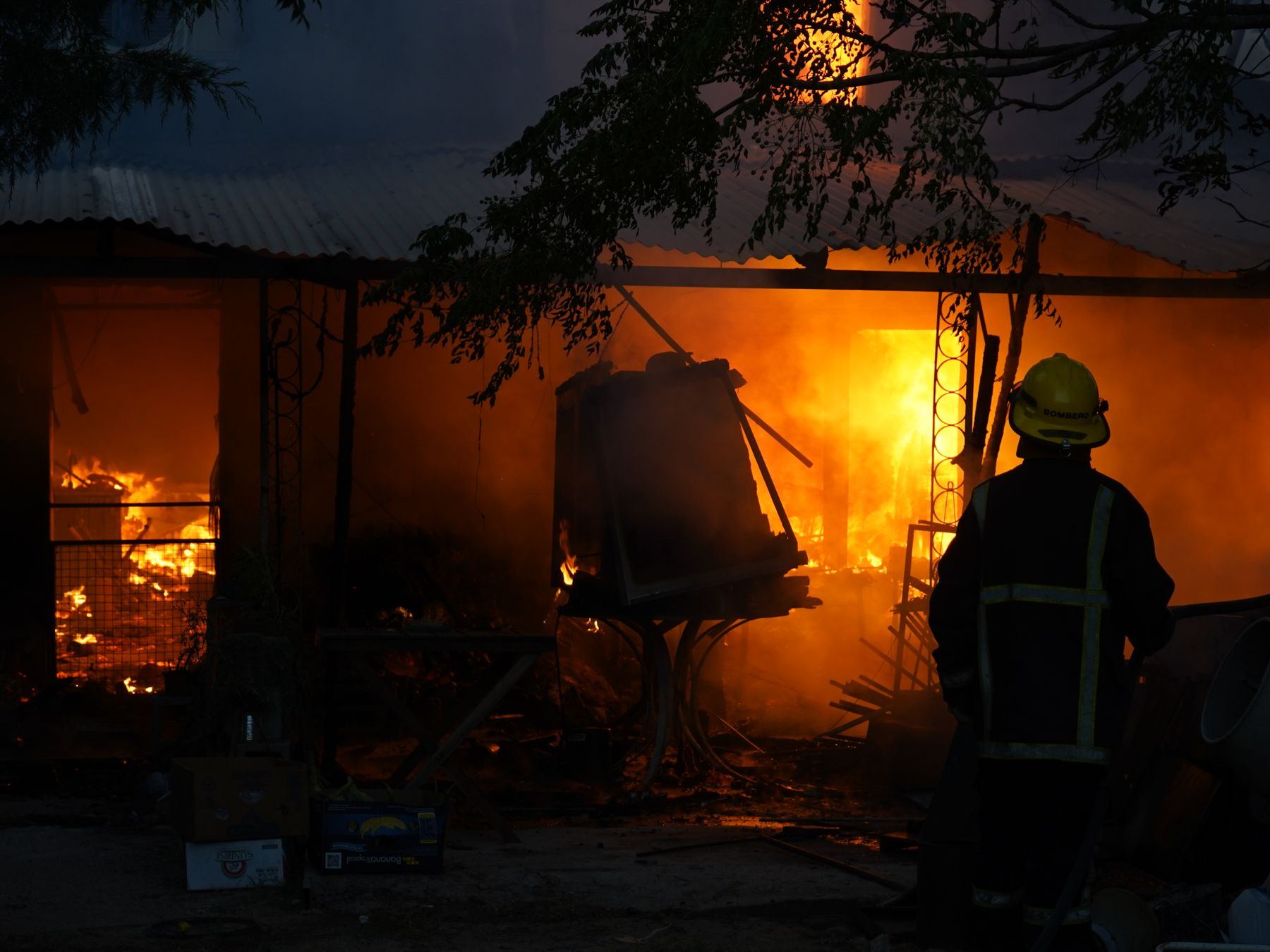
A shared terraced house let to several tenants in Epsom usually falls under HMO rules. The landlord or managing agent is the responsible person for fire safety, and that role carries legal duties regardless of whether the council has issued a licence.
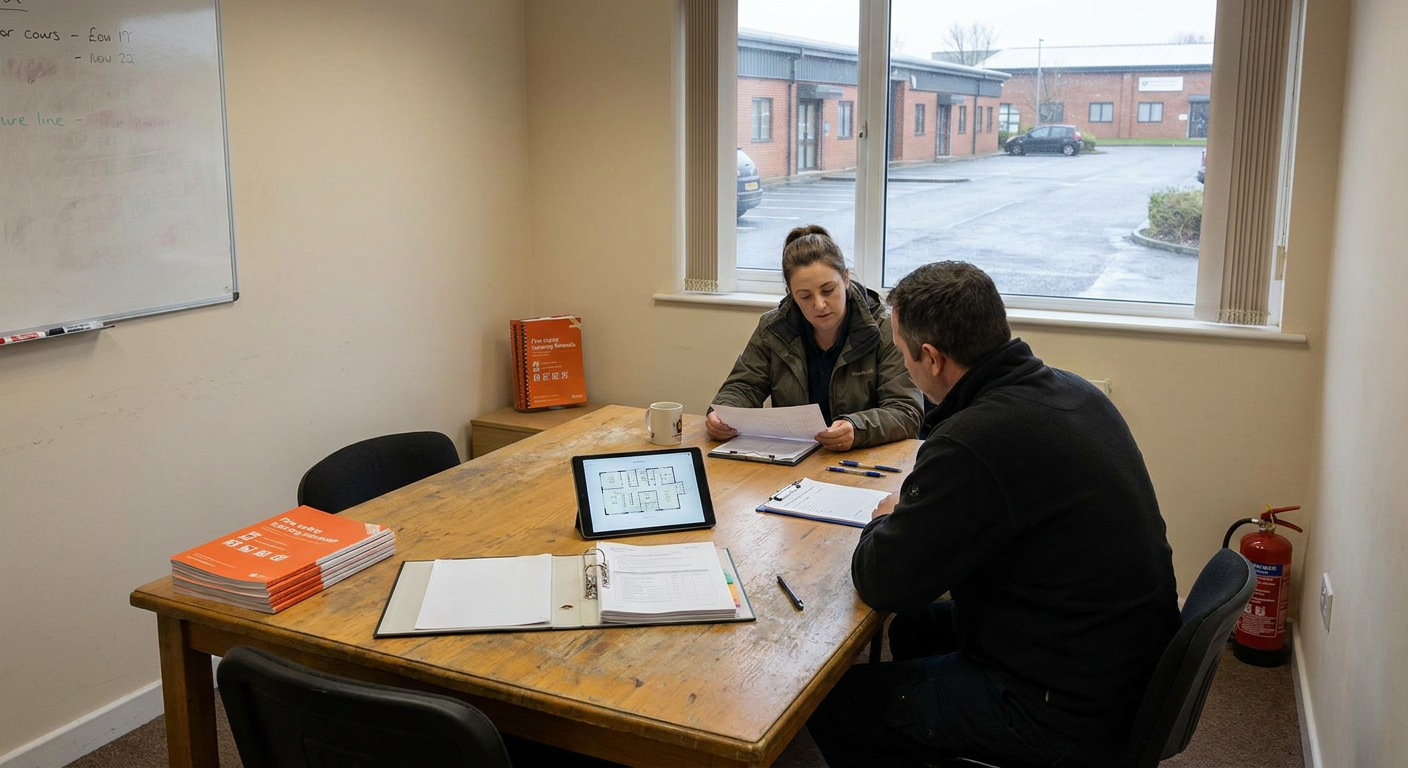
A specialist firm carries out a [fire risk assessment](/hmo-fire-risk-assessment-epsom) covering escape routes, detection systems and the condition of internal doors. In a converted Victorian terrace near the campus, the layout often means residents must pass through someone else's space to reach the stairs. That changes what the assessor looks for compared with a modern flat.
Fire checks for student lets in Surrey also extend to the equipment itself. Smoke alarms need testing at set intervals, and extinguishers require annual servicing by a competent person. The responsible person keeps records of these checks because inspectors from the local authority or fire service will ask to see them.
Where a property sits close to neighbouring homes in areas like Ewell or Ashtead, external walls and boundary distances matter too. A [compartmentation survey](/compartmentation-survey-epsom) identifies whether fire can spread between units through hidden voids or poorly sealed pipe runs.
Kitchens and cooking risks in student accommodation
Cooking causes more fires in student housing than any other activity. Shared kitchens in halls of residence see heavy use, often late at night, by people who may never have cooked for themselves before. Grease builds up fast, and unattended pans are common.
A specialist assessing university accommodation fire safety will look at the suppression and detection fitted above hobs, the distance between cookers and combustible materials, and whether the room has adequate ventilation. They check if heat detectors rather than smoke alarms are installed in the kitchen itself, since steam and burnt toast cause false alarms that lead students to disable the system.
Recommendations typically include fitting stove guards that cut power when a pan overheats, placing fire blankets within arm's reach of the cooker, and scheduling regular deep cleans of extractor filters. The responsible person should also ensure bins are kept away from heat sources and that residents know not to dry clothes over radiators in the cooking area.
In purpose-built blocks near the Epsom campus, communal kitchens sometimes sit off long corridors. If a fire starts there, smoke needs containing before it reaches the escape route. That is why [fire strategy plans](/fire-strategy-epsom) map out how each room connects to the circulation space.
Propped doors in purpose-built student blocks
Purpose-built blocks rely on compartmentation to keep fire and smoke inside the room where they start. Self-closing fire doors are the main barrier. Students prop them open for convenience, to move furniture or to socialise across corridors, and that single habit undermines the entire building design.
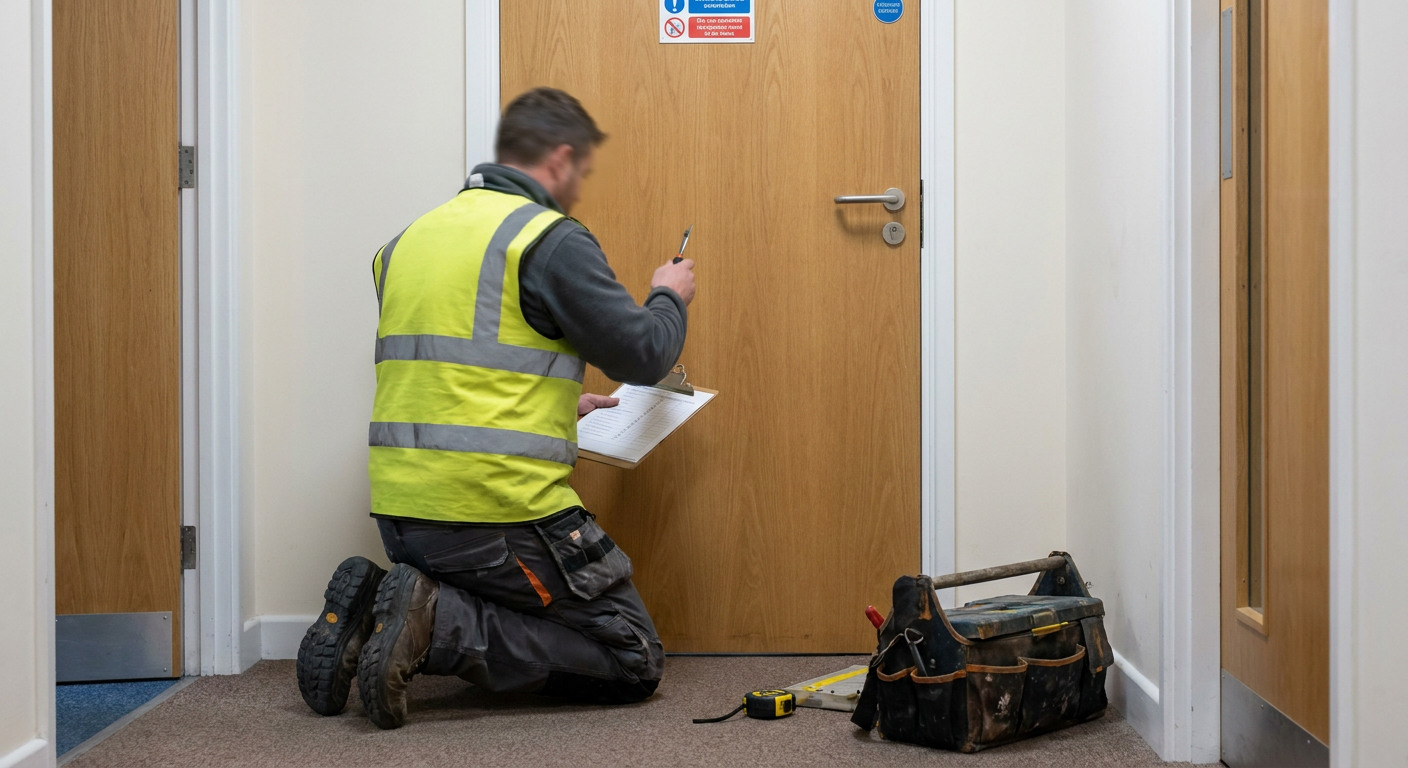
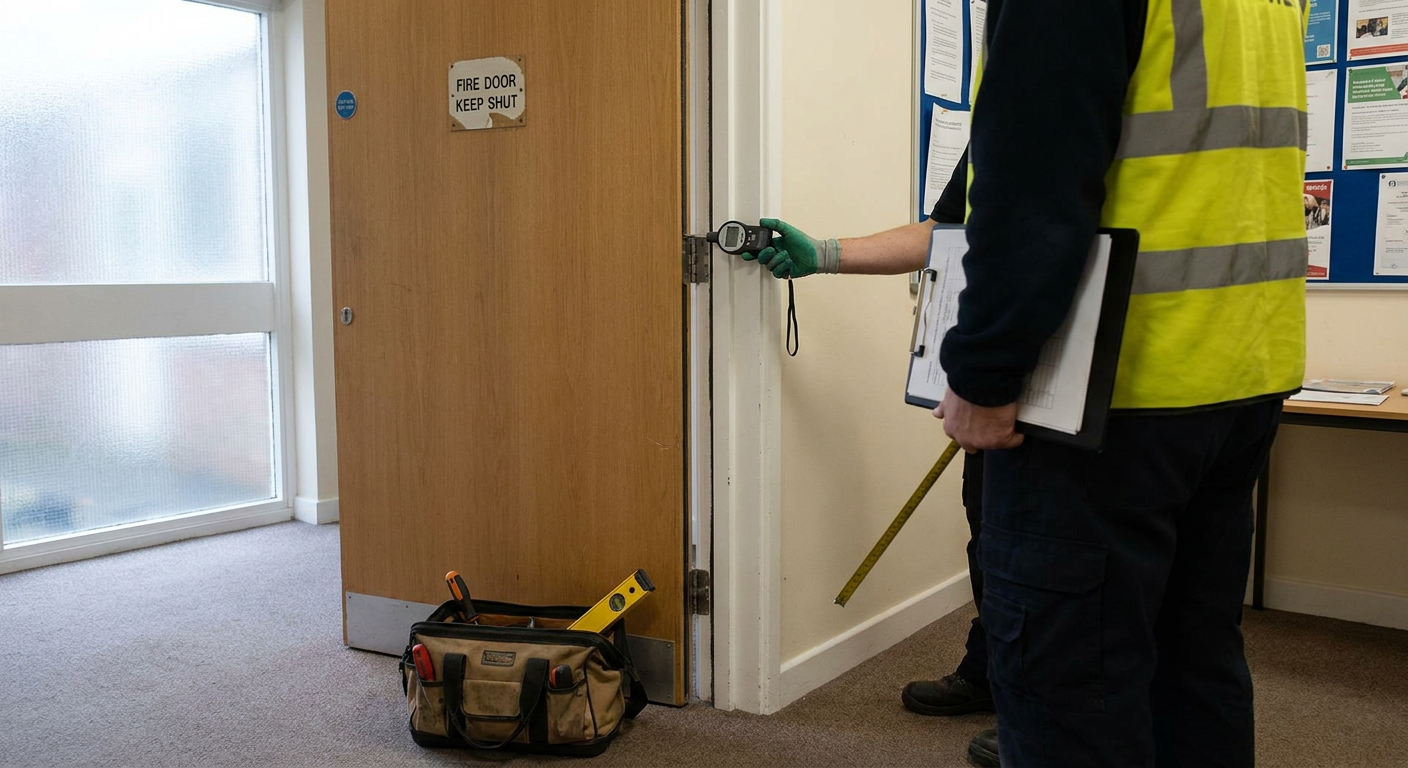
Dealing with this requires both hardware and management. A specialist firm inspecting [fire doors](/fire-door-inspection-epsom) checks that closers are strong enough to pull the leaf shut against a wedge, that intumescent seals are intact and that gaps around the frame stay within limits. But no door works if someone ties it back permanently.
The fire safety manager for a student block usually installs hold-open devices linked to the alarm system. These allow the door to stay open during normal use but release it the moment the alarm sounds. Where those devices are absent, the management plan must include regular corridor walks and clear instructions to residents.
[Evacuation plans](/fire-evacuation-plans-epsom) show which doors must remain closed at all times. If a propped door sits on a protected stairway, the risk escalates because that stairway is the only way out for everyone above the ground floor.
Reassessing when tenants change every September
Student housing has a predictable turnover. Entire floors empty in July and fill again weeks later. New arrivals do not know the building, the alarm sound or the escape routes. This cycle means the conditions the original assessment was based on shift every autumn.
The law does not prescribe a fixed calendar date for reassessment, but guidance suggests reviewing the document whenever circumstances change materially. A complete change of occupants qualifies. Arranging the visit in August, after the previous tenants leave and before the new ones arrive, gives the specialist clear access to every room without disrupting term time.
During that review, the assessor re-examines wear on doors, tests detection circuits and updates the occupant profile. If the building now houses international students unfamiliar with UK fire procedures, the recommendations might include translated signage or additional briefings.
For properties outside the immediate campus area, such as shared houses in Tolworth or Carshalton, the same principle applies. The [reassessment frequency](/duties/how-often-reassessed) tracks with tenancy changes rather than the calendar. Keeping a log of when each cohort moves in helps the responsible person schedule ahead.
Briefing staff and resident advisers
Carrying out the assessment is one task. Making sure the people on site understand it is another. Resident advisers, porters and cleaning staff are the first to notice a blocked exit or a damaged door seal, so they need to know what matters.
Specialist firms provide [awareness training](/fire-safety-awareness-training-epsom) tailored to the building. For a student block, that session covers how to respond when the alarm sounds, how to guide unfamiliar residents to assembly points and when to call the emergency services rather than investigating alone.
Staff with designated responsibilities benefit from [warden training](/fire-warden-training-epsom), which goes further into sweep procedures, roll calls and communicating with arriving fire crews. In smaller shared houses without paid staff, the landlord or nominated person takes on that role.
A [nominated fire safety person](/nominated-person-service-epsom) acts as the day-to-day contact for residents and contractors. Briefing them ensures someone on site can answer basic questions about extinguisher locations or alarm testing schedules without waiting for the managing agent to respond.
Recording drills, alarm tests and inspections
Inspectors from the fire service or the local council expect written evidence. Verbal assurances that someone tested the alarm last Tuesday carry little weight during an enforcement visit. The responsible person must maintain a log.
That log includes weekly alarm tests, noting which call point was activated and whether the sounders worked throughout the building. It records periodic servicing of detection equipment, extinguisher maintenance and emergency lighting checks. Any faults found and the dates they were fixed go in the same place.
Drills present a particular challenge in student accommodation because attendance is voluntary. Recording who took part, the time taken to evacuate and any problems encountered (a locked gate, a confused resident) turns the drill into useful data rather than a box-ticking exercise.
A written [fire safety policy](/fire-safety-policy-and-procedures-epsom) sets out who does what and when. For landlords managing multiple properties across Surrey, standardising these records makes it easier to spot patterns. If three houses in Epsom Downs report the same fault with a particular alarm panel, that points to a wider issue needing attention.
Related services
Fire safety work for student housing
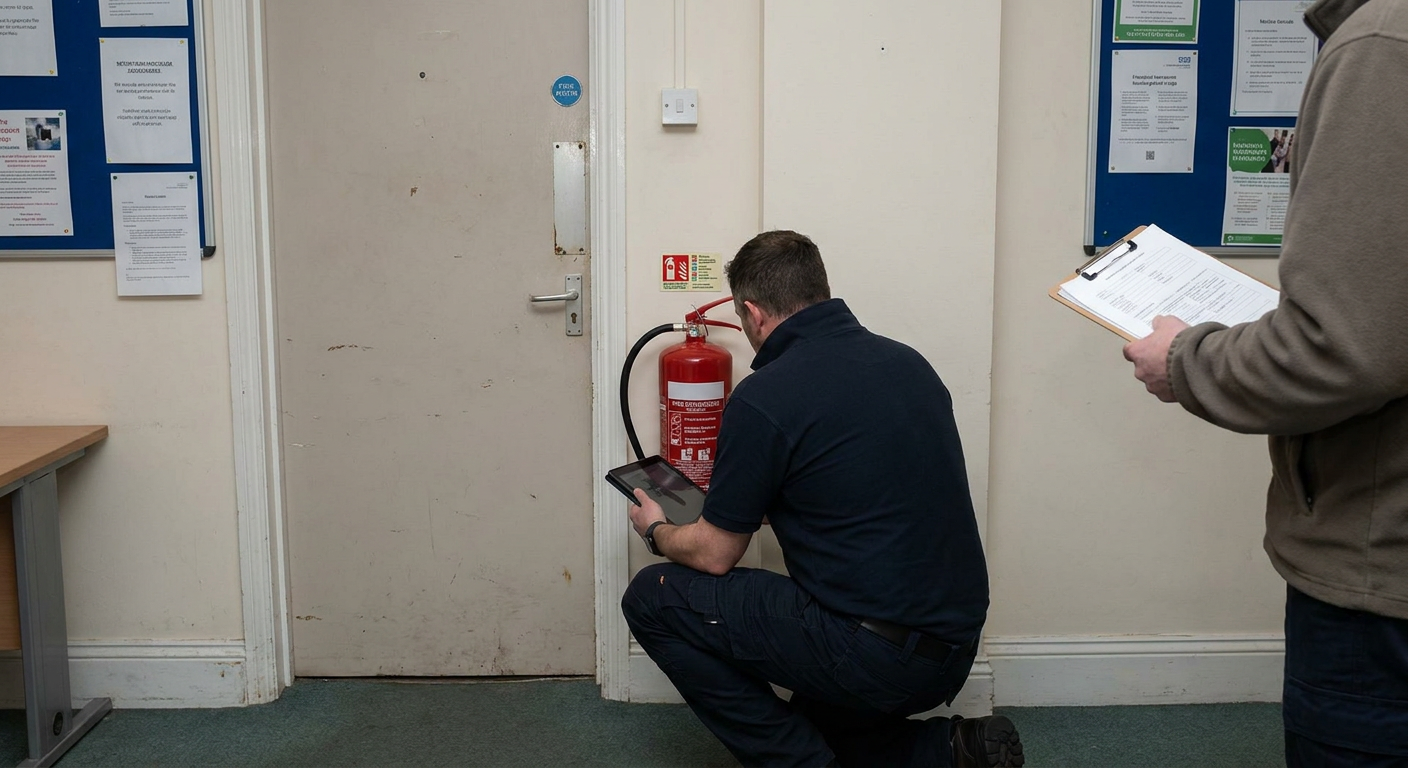
HMO fire risk assessment
A full inspection of a shared student house, covering escape routes, detection and structural separation between rooms.
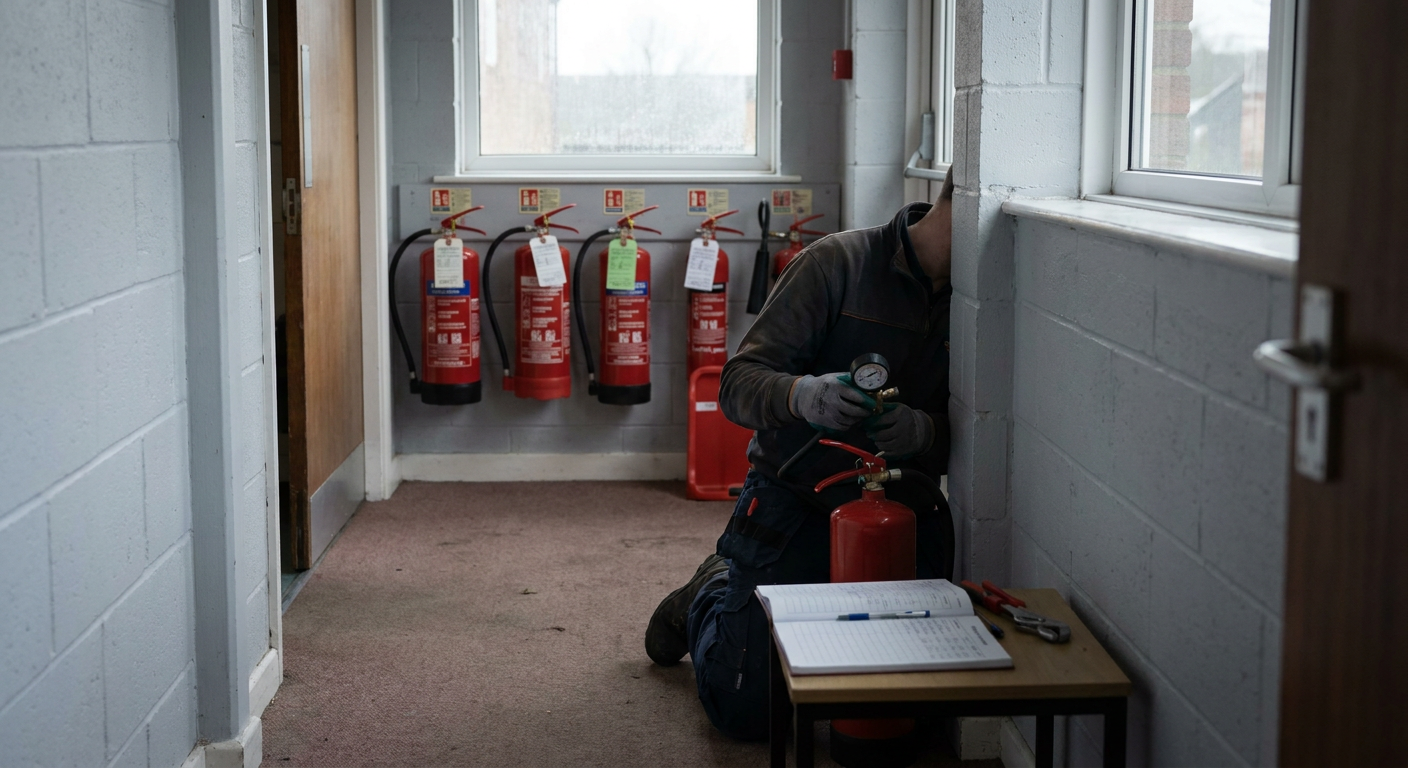
Fire door inspection
Checking closers, seals, gaps and hinges on every fire door in a corridor or stairwell to confirm they perform as designed.
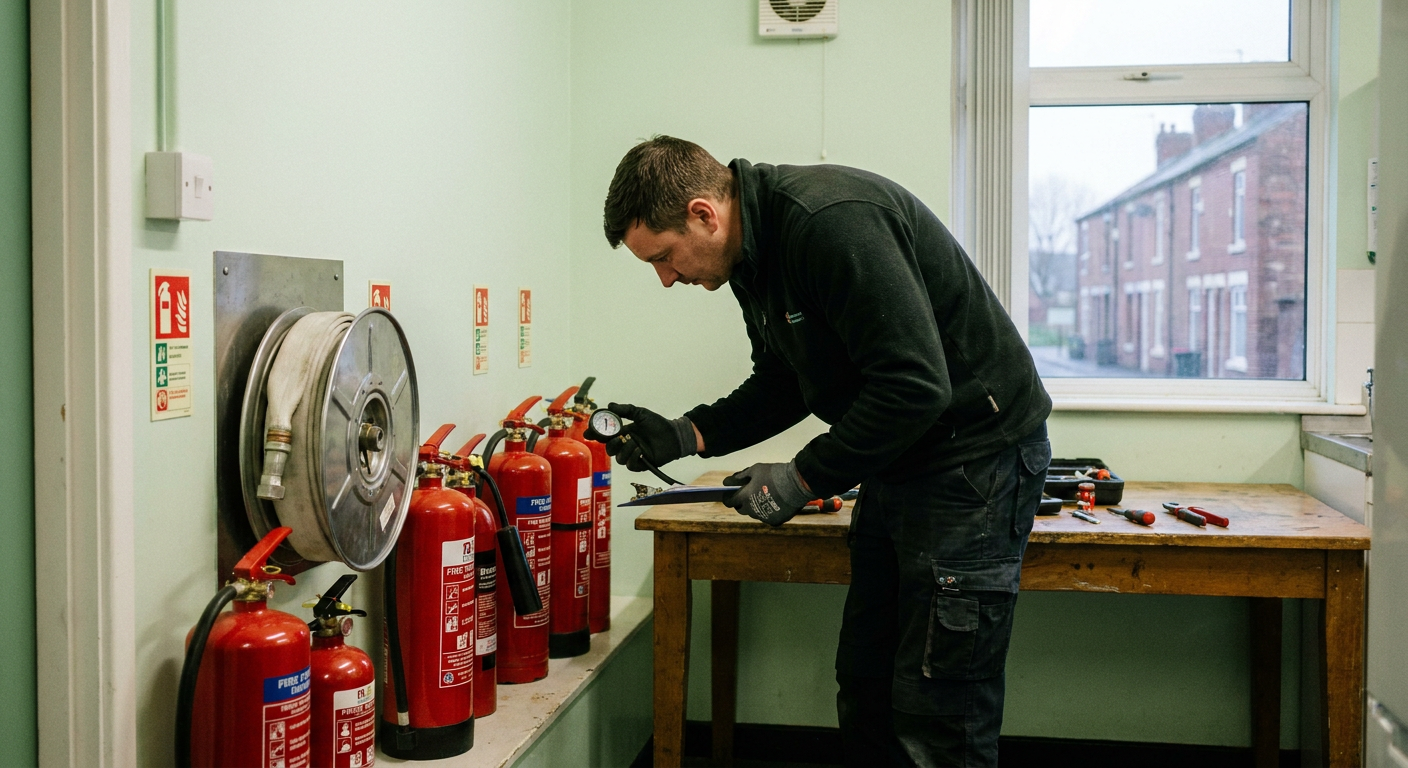
Compartmentation survey
Looking inside ceiling voids and risers to verify that fire stopping remains intact between individual flats or bedrooms.
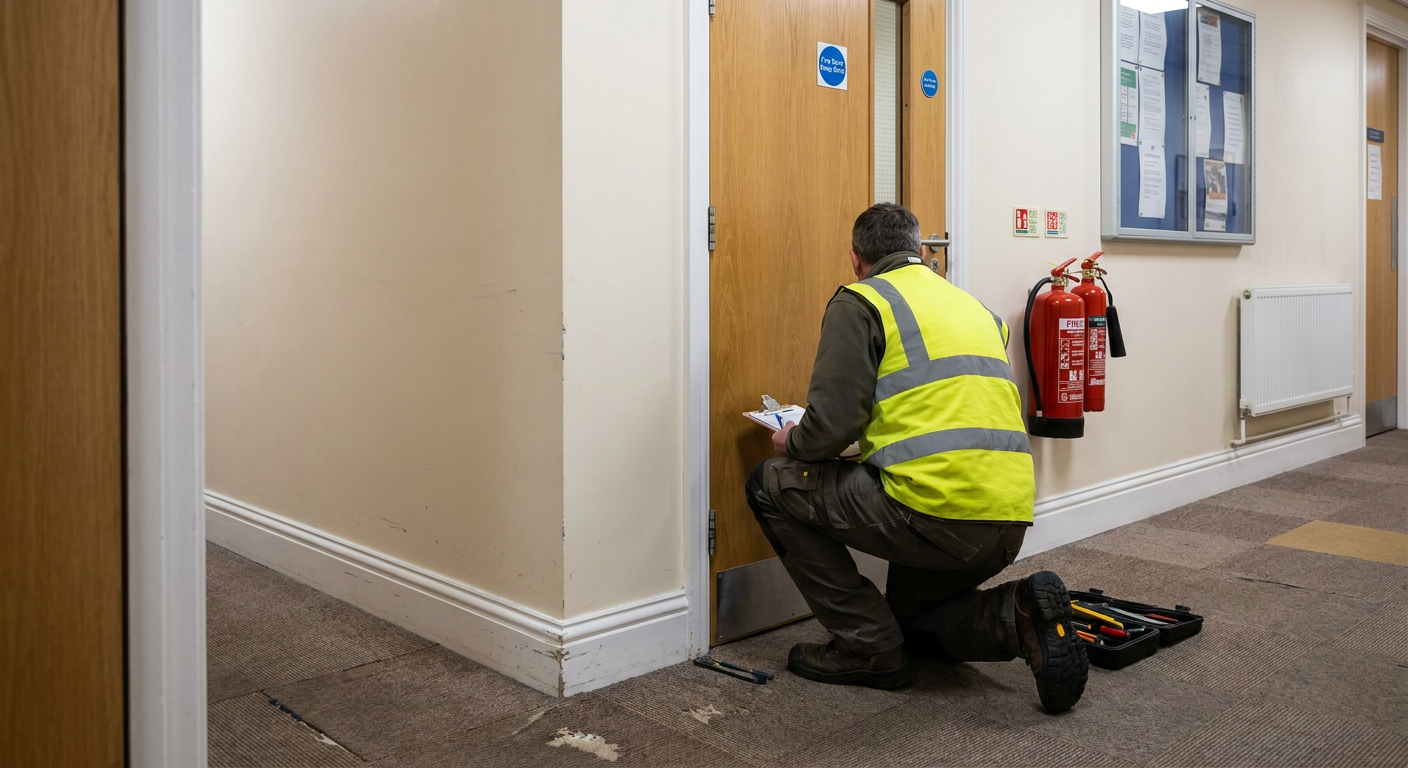
Evacuation plans
Drawing clear escape routes and assembly points sized for the number of residents in a purpose-built block.
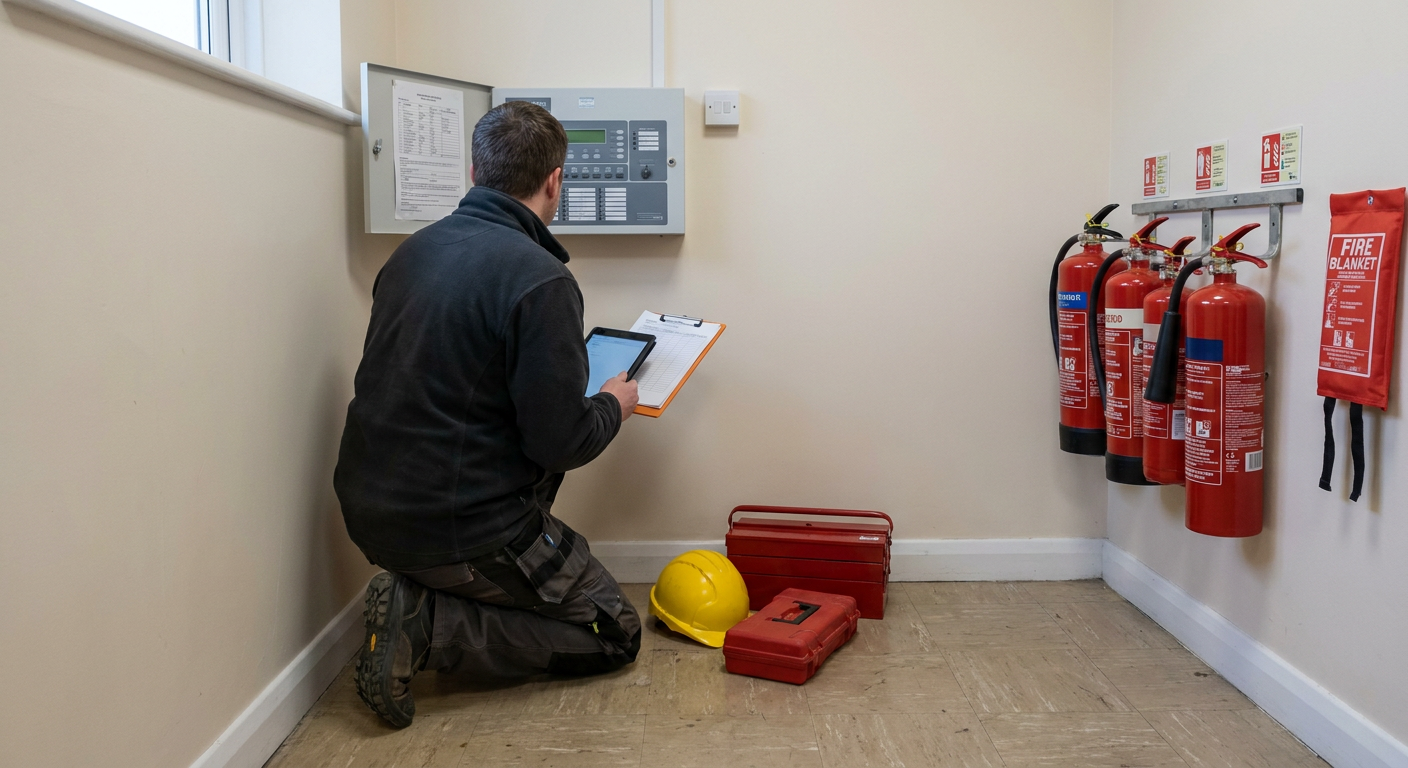
Staff awareness training
Briefing resident advisers and site managers on what to do when an alarm activates and how to report hazards.
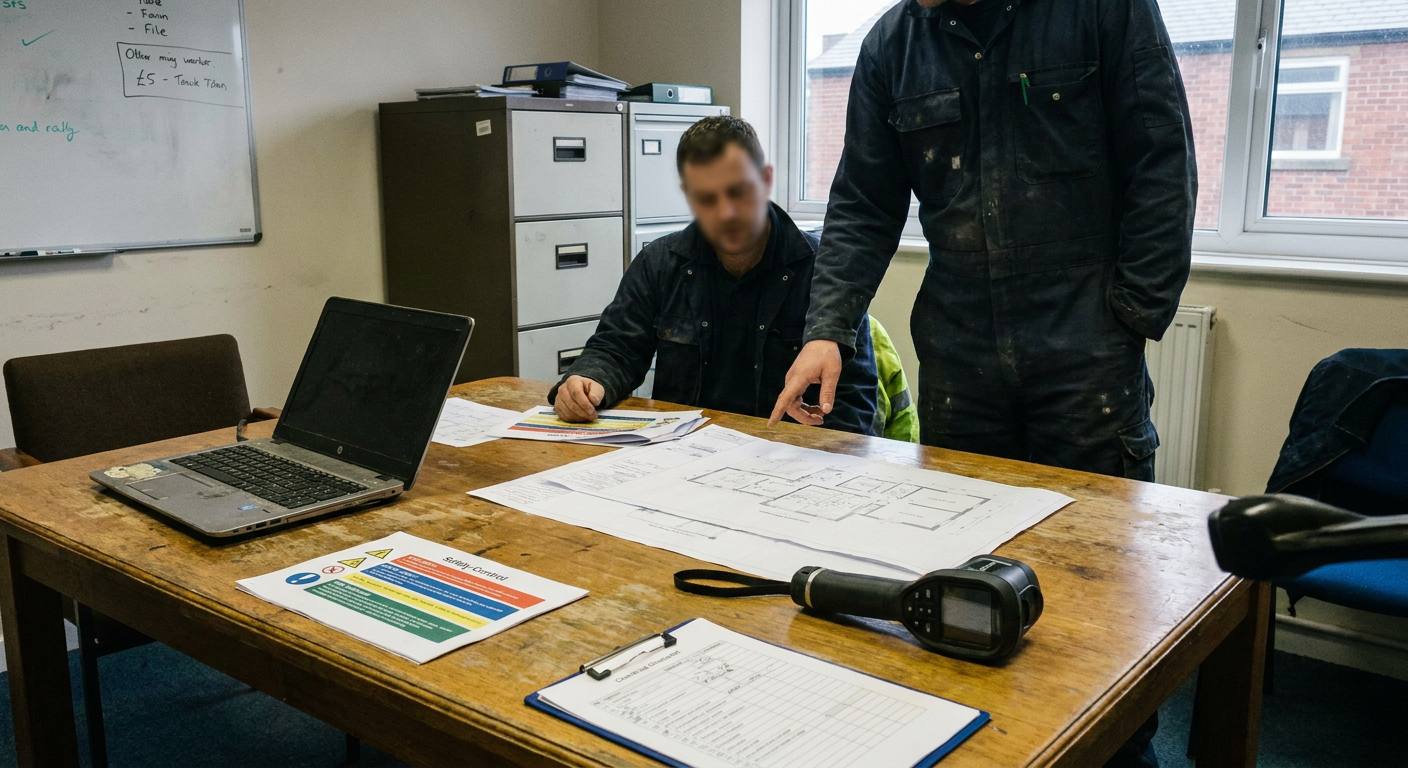
Written fire safety policy
Producing the documented procedures that inspectors expect to see, setting out testing schedules and staff duties.
Shared house or purpose-built block?
Both house students, but the construction, occupancy density and management structures differ enough to change the approach entirely.
Layout
- Shared terraced house
- Converted rooms sharing original stairs and hallways.
- Purpose-built block
- Designed corridors, protected lobbies and separate stair cores.
Main fire risk
- Shared terraced house
- Cooking in small shared kitchens and overloaded sockets.
- Purpose-built block
- Propped fire doors and large numbers of unfamiliar occupants.
Assessment focus
- Shared terraced house
- Escape windows, door upgrades and detection coverage.
- Purpose-built block
- Compartmentation integrity, alarm zoning and evacuation flow.
Management
- Shared terraced house
- Landlord or letting agent visits periodically.
- Purpose-built block
- On-site staff or a dedicated fire safety manager present daily.
Regulatory basis
- Shared terraced house
- HMO licensing conditions and Housing Act standards.
- Purpose-built block
- Fire Safety Order and, for taller buildings, 2022 regulations.
A specialist firm advises which approach fits after examining the building and its current use.
Ask about your student accommodation
Send details of the house or block. A specialist firm reviews the information and explains what work applies. Submitting an enquiry does not commit you to booking anything.
- No obligation
- Local specialists
- Plain advice