Guide
Electrical fire risks in Epsom homes and workplaces
Find out where electrical fires start in Epsom buildings, from old wiring to chargers left plugged in overnight. Learn what signs to look for and when a specialist should examine the installation.
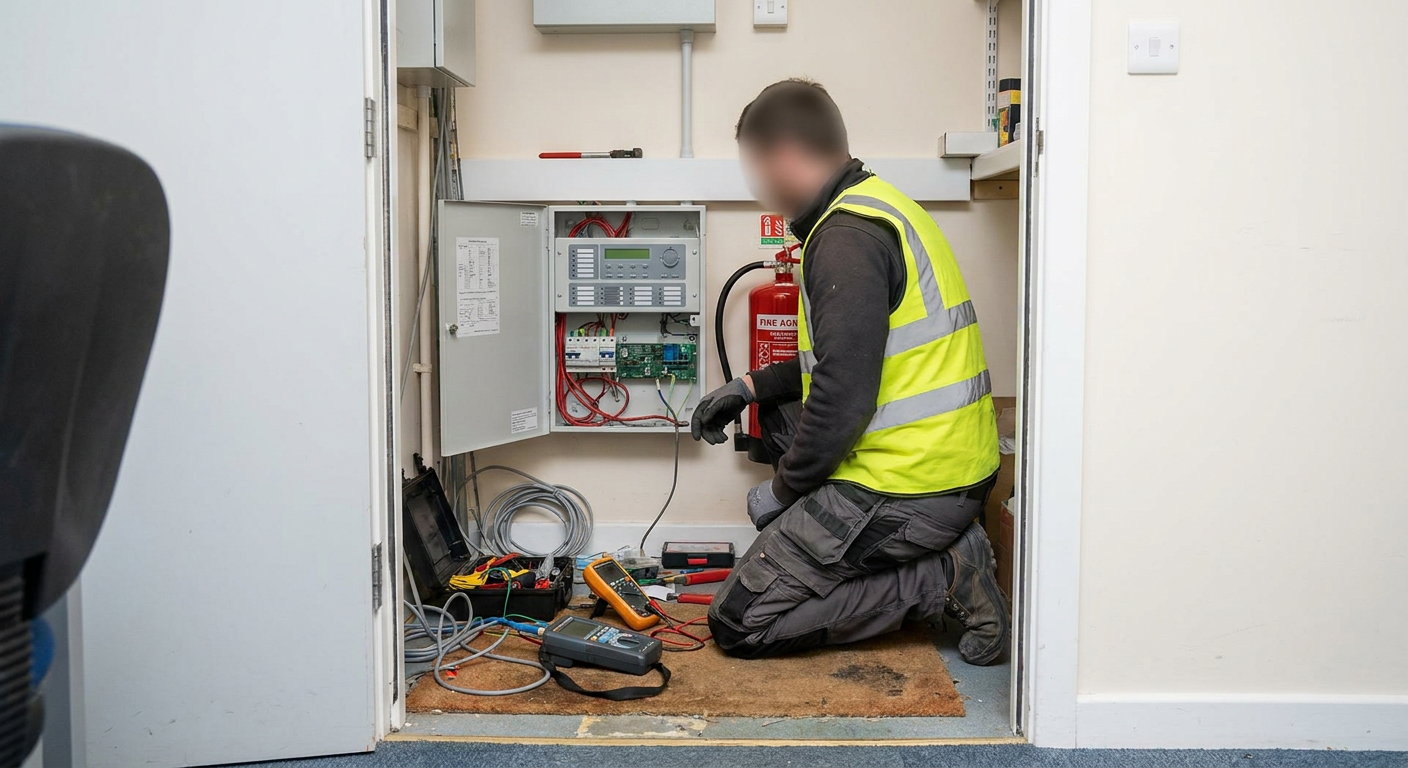
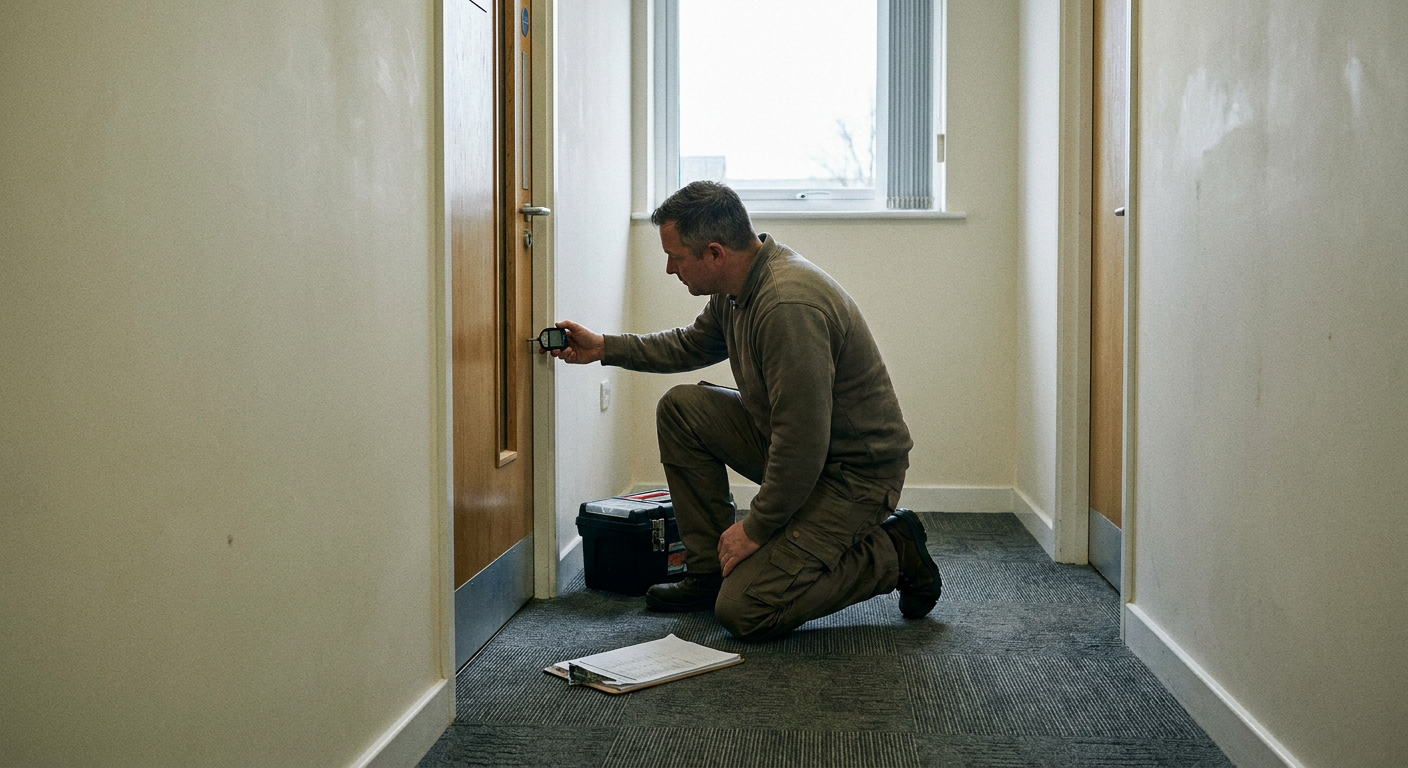
Old wiring in Epsom houses
Many homes in Epsom were built decades ago, and the wiring inside them has been working ever since. Rubber insulation hardens over time. Joints loosen. A circuit that was safe when it was installed can become a source of heat.
You might notice lights flickering when you switch on a kettle, or a faint burning smell near a socket. These are not quirks of an old house. They are signs that current is meeting resistance somewhere it should not.
A fire risk assessor will note these symptoms during a visit. The specialist firm carrying out a <a href="/fire-risk-assessment-epsom">fire risk assessment in Epsom</a> looks at how electricity moves through the building and whether the installation matches what is plugged into it today. They do not rewire anything themselves, but they record what needs attention so you know where the danger sits.
Overloaded sockets and extension leads
Extension leads are meant for temporary use, but in many homes and offices they stay plugged in for years. Daisy-chaining one lead into another multiplies the load on a single wall socket. The plastic casing heats up slowly, often behind a desk or a sofa where nobody checks it.
In rented flats and shared houses the problem compounds. Multiple people plug in heaters, laptops and phone chargers from the same point. Landlords running an <a href="/hmo-fire-risk-assessment-epsom">HMO fire risk assessment</a> will see this pattern quickly because the specialist examines every room for exactly this kind of strain.
If a socket feels warm to the touch, or if the plug discolours around the pins, the circuit is already under stress. Moving high-draw appliances like space heaters to their own wall socket reduces the immediate risk while the underlying issue is addressed.
Chargers left running unattended
Phone and laptop chargers draw power even when the device is fully charged. Leaving them plugged in overnight means the transformer inside the plug head works continuously without anyone nearby to notice if it starts to fail.
Cheap replacement chargers bought online often lack the thermal protection found in manufacturer-supplied units. When the internal components overheat, the plastic shell can ignite nearby bedding or paper. This happens most often in bedrooms and student rooms where devices charge on soft surfaces.
Specialist firms assessing <a href="/student-accommodation-fire-safety-epsom">student accommodation fire safety</a> flag unattended charging as a recurring hazard. The advice is straightforward: unplug chargers when they finish their job, and never leave them resting on pillows or duvets where heat has nowhere to go.
Electrical risks in shops and offices
Commercial premises in Epsom run more equipment than a home, and much of it stays powered outside business hours. Servers, tills, alarm panels and refrigeration units all generate heat continuously. Dust settles on ventilation grilles, reducing airflow and raising temperatures inside casings.
Staff rarely think about the cables behind the counter until something stops working. By then, insulation may have degraded enough to arc. A specialist conducting a <a href="/health-and-safety-reports-epsom">health and safety report</a> will check that fixed wiring inspections are current and that portable appliances carry valid test labels.
Businesses on the high street face particular constraints. Older shopfronts were not designed for modern electrical loads. If you run a cafe or retail unit, reading about <a href="/stories/fire-safety-for-shops-and-cafes-on-epsom-high-streets">fire safety for shops and cafes on Epsom high streets</a> explains how specialists approach these tight spaces.
What the responsible person must do
The law places the duty on the responsible person. In a home you rent out, that is you. In a workplace, it is usually the employer or the building owner. That person does not need to be an electrician, but they do need to know whether the electrical installation is safe.
If you are unsure whether the duty falls to you, the guide on <a href="/duties/responsible-person-epsom">am I the responsible person for fire safety</a> sets out the rules plainly. Once you know your position, the next step is arranging for a specialist firm to inspect the premises. A <a href="/fire-risk-assessment-epsom">fire risk assessment in Epsom</a> covers electrical hazards alongside other ignition sources. The assessor carrying it out holds third-party certification, which confirms they have passed independent examinations on fire safety legislation and inspection methods.
The specialist firm records faults, recommends remedial work and produces a document you can show your insurer or the council. You then hire a separate electrician to fix what the report identifies. For rented homes, that electrician should hold current registration under Part P of the Building Regulations so they can issue Electrical Installation Condition Reports.
Ask about an electrical fire safety check
Send your details and a specialist firm will respond with what they need to assess the electrical risks in your home or workplace. There is no obligation to proceed.
- No commitment required
- Local specialists only
- Clear written reports