Fire safety guide
Fire safety for shops and cafes on Epsom high streets
Find out what the law expects from a shop or cafe on an Epsom high street. Learn how to keep exits clear, manage cooking risks, store stock safely and run simple daily checks so staff know what to do if a fire starts.
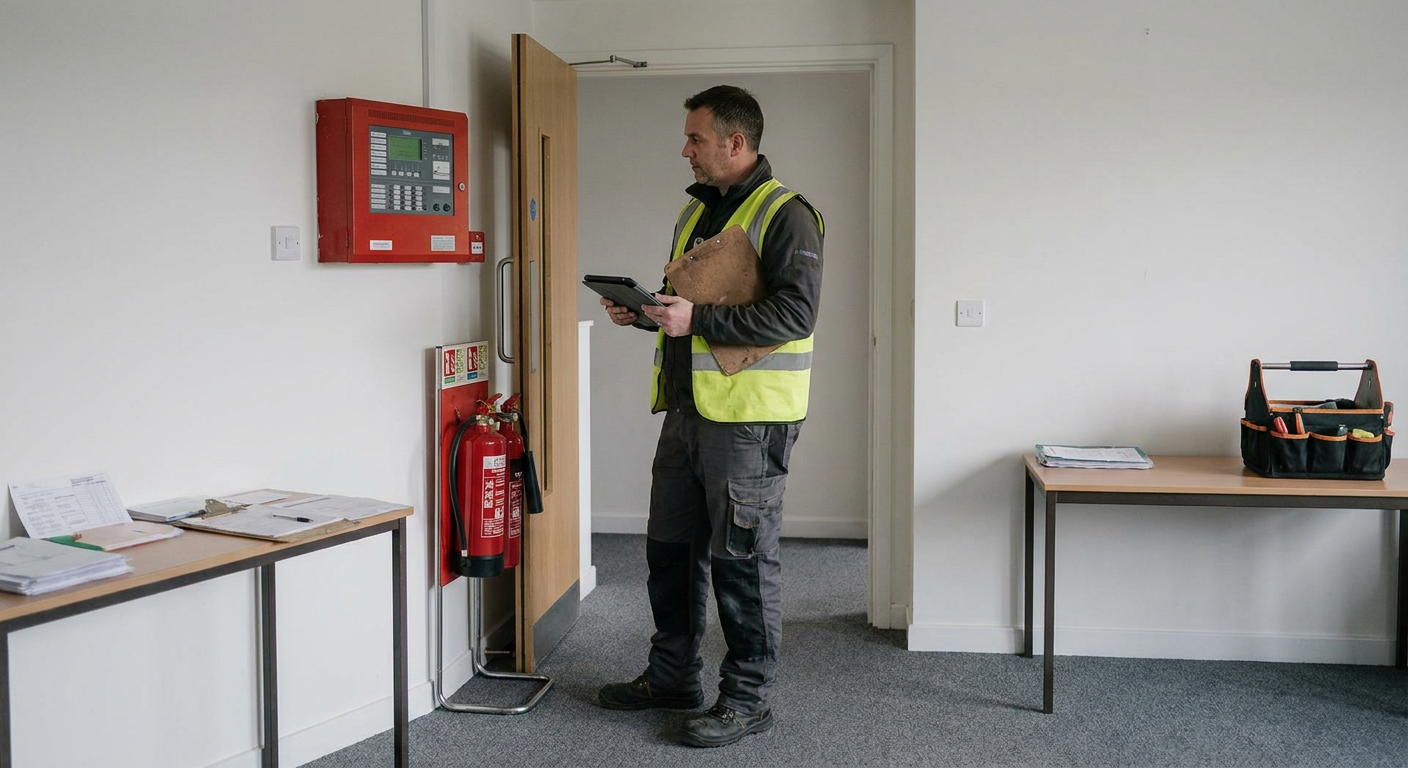
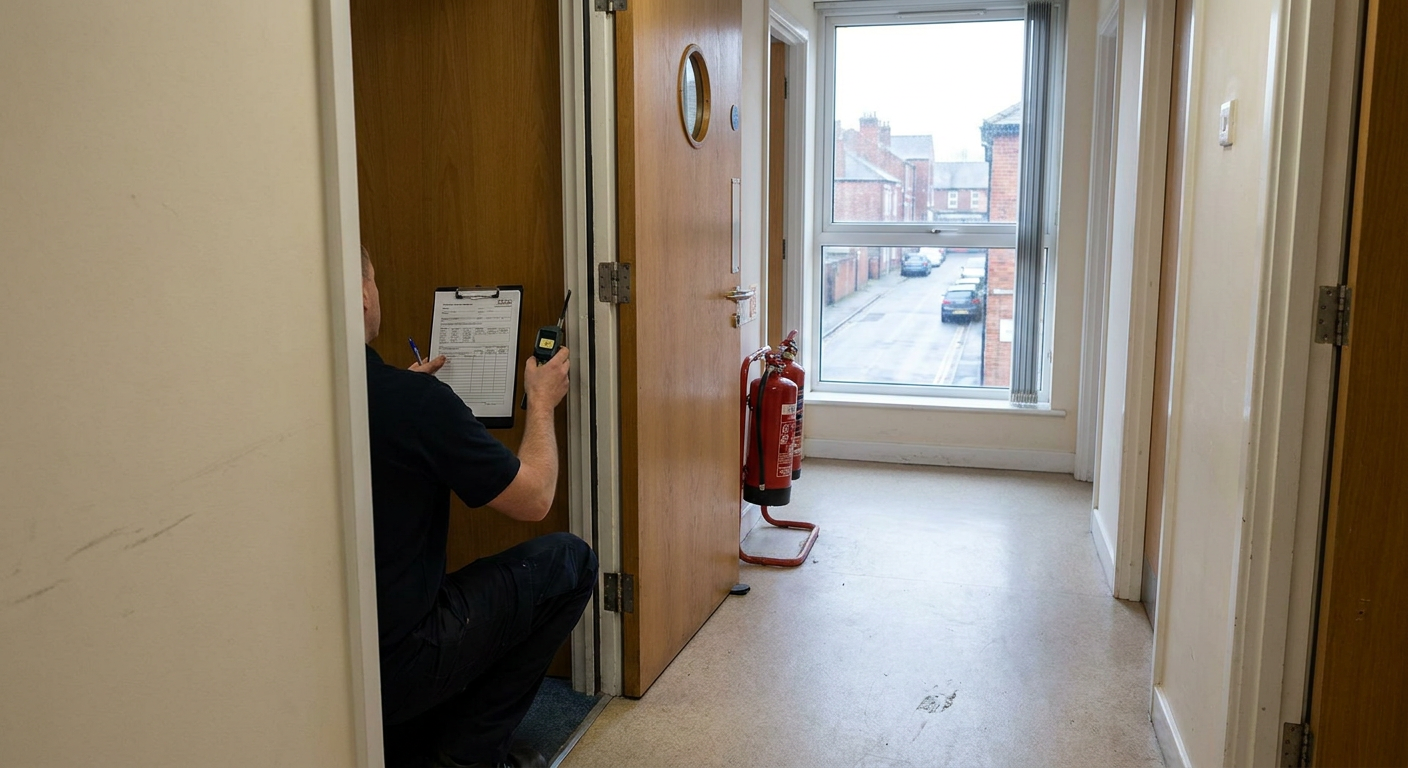
Keeping escape routes clear in retail units
A blocked exit is the most common problem found during a fire risk assessment in a shop. Cardboard boxes left near a back door, display stands pushed into a corridor, or a delivery pallet sitting in front of a fire exit all turn a safe route into a trap.
The responsible person for the premises must make sure every escape route stays usable while the shop is open. That means checking doors at the start of each shift and again after deliveries arrive. If the building has multiple occupants, such as a cafe sharing a rear yard with a clothing shop, both businesses need to agree on who keeps the shared route clear.
A specialist firm carrying out a [fire risk assessment in Epsom](/fire-risk-assessment-epsom) will walk these routes and note anything that narrows them below the required width. They will also check that final exit doors open in the direction of travel and that panic hardware works without a key. Staff should know where these routes go before they ever need to use them.
Cooking risks in high street cafes
Cafes on Epsom high streets face specific hazards because cooking equipment sits close to customers. Deep fat fryers, grills and toaster ovens generate heat and grease, and both fuel a fire quickly.
Extraction systems above cooking ranges collect grease over time. If the filters are not cleaned on a set schedule, that grease can ignite and spread through the ductwork into the roof space. A fire strategy for the building will specify how often extraction systems need attention and what type of suppression equipment belongs near the cooking area.
Staff working around hot surfaces need to know how to respond if oil catches fire. Water makes it worse, so a wet chemical extinguisher or a fire blanket should be within reach. The specialist firm providing [fire safety awareness training in Epsom](/fire-safety-awareness-training-epsom) covers these exact scenarios so that someone working the counter does not have to guess what to do. Training gives staff the steps to follow when smoke appears behind the till or flames break out under the grill.
Storing stock without blocking protection
Retail units in Epsom tend to be narrow and deep. Stock arrives faster than shelves fill, so boxes end up stacked against walls, under stairs or in front of electrical panels. Every one of those spots matters for fire safety.
Sprinkler heads and smoke detectors need clear space around them to work. Stacking goods too close to the ceiling blocks the spray pattern of a sprinkler and delays the response of a detector. A compartmentation survey checks whether walls and ceilings still form sealed barriers between rooms, and piled stock can damage those seals or hide gaps where fire could pass through.
Electrical panels need clearance so they can be reached in an emergency. Putting inventory in front of a consumer unit means nobody can cut the power quickly if wiring faults cause a fire. Read more about [electrical fire risks in Epsom workplaces](/stories/electrical-fire-risks-in-epsom-homes-and-workplaces) to understand why spacing matters around any fixed installation.
Daily checks staff can carry out
Fire safety in a small shop or cafe depends on habits more than paperwork. A few minutes at the start of each trading day can catch problems before they matter.
Someone should test the fire alarm call point once a week and record the result. Daily, they should look at each fire door to see if it closes fully on its own. A door propped open with a wedge defeats its purpose, and damaged seals let smoke through. Guidance on [how often fire doors need checking](/duties/fire-door-check-frequency-epsom) explains what to look for beyond the daily glance.
Extinguishers need a quick visual check to confirm they sit in their brackets, the pin is in place and the pressure gauge reads green. The specialist firm handling [fire safety equipment checks](/fire-safety-equipment-checks) will service them annually, but staff spot missing or damaged units between visits.
Waste bins should be emptied before closing. Rubbish left overnight inside the shop gives a fire something to burn if an electrical fault occurs after hours. Moving bins outside reduces that risk.
When the council writes about fire safety
Epsom and Ewell Borough Council may write to a business owner if concerns arise about a premises on the high street. This usually follows a complaint, a nearby incident or a planned inspection programme.
Receiving a letter does not mean the shop is about to close, but it does require a response. The letter will state what needs to happen and by when. It might ask for proof of a recent fire risk assessment, evidence that staff have received training, or confirmation that fire doors have been inspected.
Understanding what the letter asks for helps avoid panic. A guide on [what to do if the council writes to you](/duties/council-fire-safety-letter-epsom) sets out the typical requests and the deadlines involved. Specialist firms can then carry out whatever work the letter specifies, whether that is a new assessment, a door inspection or updated evacuation plans. Responding promptly shows the council that the business takes fire safety seriously.
Ask about fire safety for your shop
Send details about your premises and what you need. A specialist firm will review the information and reply with advice on the right next step. There is no obligation to book anything.
- No obligation to proceed
- Enquiries handled by a specialist firm
- Local specialists only