Guide
Reducing the risk of arson at Epsom business premises
Arson starts with opportunity. Find out how waste storage, boundary security, lighting and stock placement around your building affect that risk, and where fire risk management fits into keeping the premises safe.
Why deliberate fires target business premises
Deliberate fires rarely happen without warning signs. They follow patterns. A building left dark at night, bins pushed against a wall, or a side gate hanging open all give someone what they need to start a fire and leave before anyone notices.
For shops, offices and rented buildings in Epsom, the damage goes beyond burnt materials. Smoke ruins stock on other floors. Water from hoses destroys paperwork and electronics. The business stops while repairs take place, and insurance claims drag on for months.
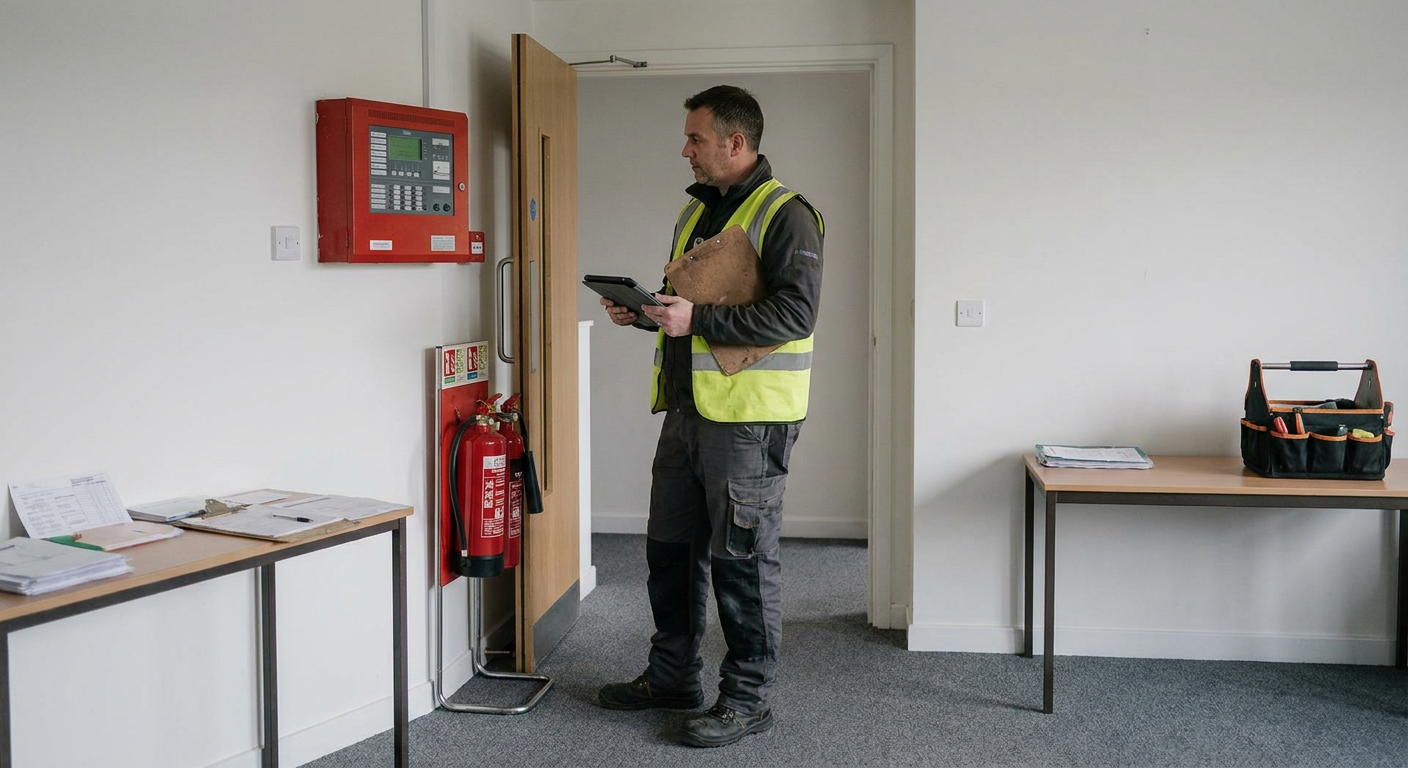
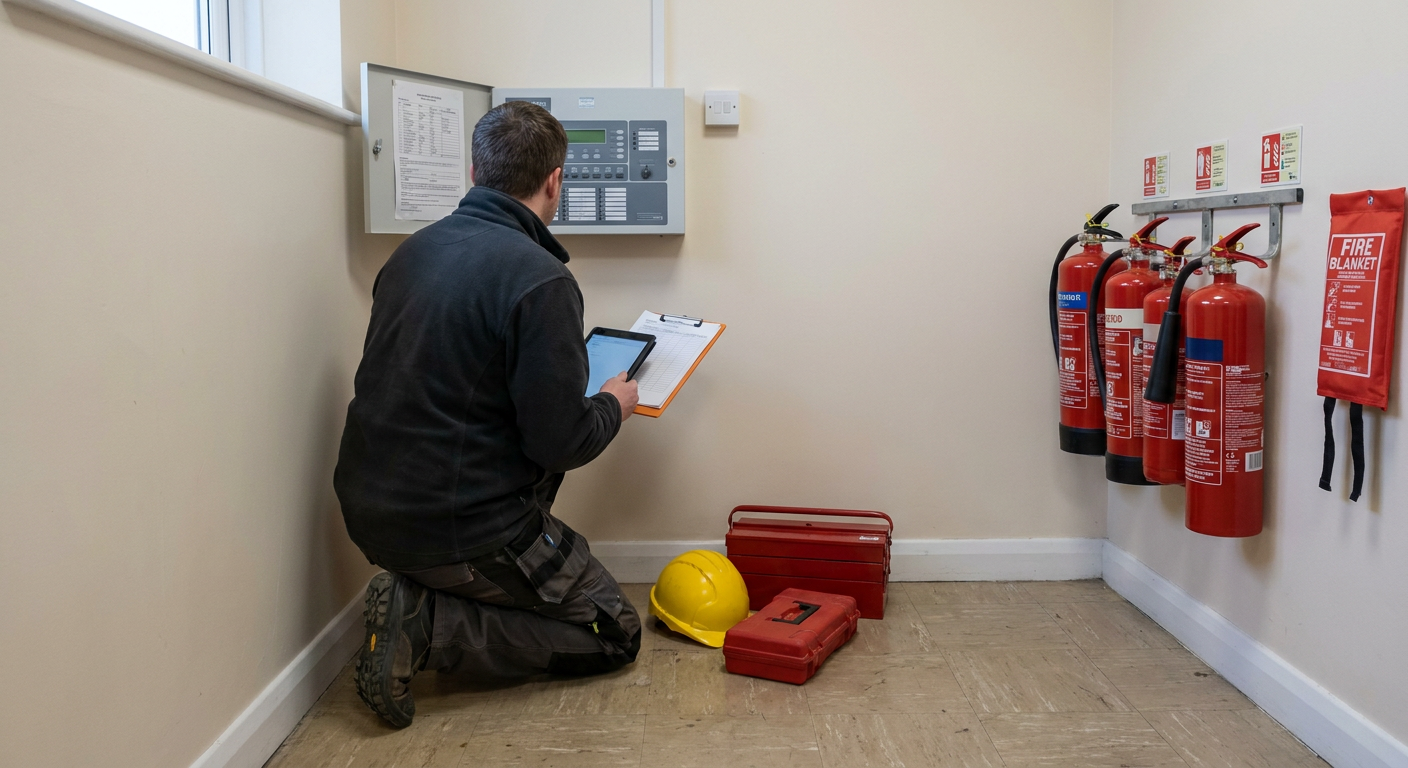
A specialist firm carrying out a [fire risk assessment](/fire-risk-assessment-epsom) looks at these vulnerabilities directly. The assessor walks the outside of the building as well as the inside, noting where materials sit too close to walls and where entry points lack basic security. That report gives you a list of things to fix, ordered by how much danger each one creates.
Where bins and waste should actually go
Wheelie bins full of cardboard and packaging are the most common fuel for an arson attack. If they stand against the exterior wall of your building, a lit match turns them into a fire that climbs straight up the brickwork and into the roof space.
Move bins away from the building. Three metres is the usual minimum distance recommended by fire safety professionals. If the yard is too small for that, lockable bin stores with metal lids stop someone lifting the cover and dropping something inside.
Waste collection schedules matter here too. Bins put out the night before a morning collection sit unattended for hours. Where possible, arrange for collection earlier in the day, or keep bins locked until the crew arrives. A written [fire safety policy](/fire-safety-policy-and-procedures-epsom) sets this out so every member of staff knows when bins go out and who locks them away again afterwards.
Boundaries, gates and access points
Fences and gates define who can reach your building after hours. A broken fence panel or a padlock that has rusted through invites people onto land they have no reason to be on.
Check boundaries regularly. Repair gaps in fencing. Fit proper locks to side gates rather than tying them shut with wire or cable ties that anyone with a pocket knife can cut. If your premises share a rear alley with other businesses, talk to the neighbours about keeping it clear and secure.
The person legally responsible for the building needs to know these details. If you are unsure whether that falls to you, read about the [responsible person duties](/duties/responsible-person-epsom) to clarify who holds the obligation. That role includes making sure the physical barriers around the site do their job once everyone has gone home for the night.
Lighting that deters rather than decorates
Dark corners around commercial buildings attract trouble. Motion-activated lights above rear doors, along side passages and near bin stores make anyone approaching visible from the street or neighbouring windows.
Leave some lighting on overnight if the building sits in a quiet area. A completely dark frontage signals that nobody is watching. Low-energy LED fittings running on timers cost very little to operate and remove the cover that darkness provides.
Check that existing lights work. Bulbs burn out and sensors fail. Include external lighting in the routine checks that a [nominated fire safety person](/nominated-person-service-epsom) carries out each week. That way a broken light does not stay unnoticed for weeks while the back of the building remains hidden from view.
Storing stock and materials safely
Pallets, shrink wrap and surplus stock piled outside a loading bay are fuel waiting for a spark. Even businesses that keep their bins tidy often leave delivery packaging stacked against the wall because it is going out tomorrow anyway.
Bring materials inside at the end of the working day. If internal space is limited, use a locked compound away from the main structure. Never stack combustible items under windows or next to ventilation grilles where heat and smoke could enter the building quickly.
During a [compartmentation survey](/compartmentation-survey-epsom), the specialist firm checks how well the internal walls and floors resist fire spread. But those barriers only work if the fire stays contained long enough for them to function. Keeping external fuel loads low means any fire that does start has less material to burn through before help arrives.
Training staff to spot the early signs
Arson prevention is not only about locks and lights. Staff who understand what to look for will notice a broken fence, an unfamiliar person lingering near the bins, or packaging left out after closing time.
Basic training covers these habits. It teaches employees why leaving a side door propped open matters, and why bins must go back behind a locked gate rather than sitting by the pavement overnight.
Specialist firms deliver [fire safety awareness training](/fire-safety-awareness-training-epsom) that includes deliberate ignition risks alongside accidental ones. For larger premises where specific people take charge during an emergency, [fire warden training](/fire-warden-training-epsom) goes further, covering evacuation duties and how to sweep areas that might have been targeted.
Ask about fire risk management in Epsom
Send an enquiry about your premises. A specialist firm reviews the details and contacts you to discuss what is needed. There is no obligation to proceed.
- No commitment required
- Local specialists respond
- Clear next steps given