Landlord guide
Smoke and heat alarms in Epsom rented homes and flats
Smoke and heat alarms belong in specific rooms of every rented home and flat. Landlords across Epsom must keep them working, and tenants need to know how they should be tested.
Where alarms belong in a rented home
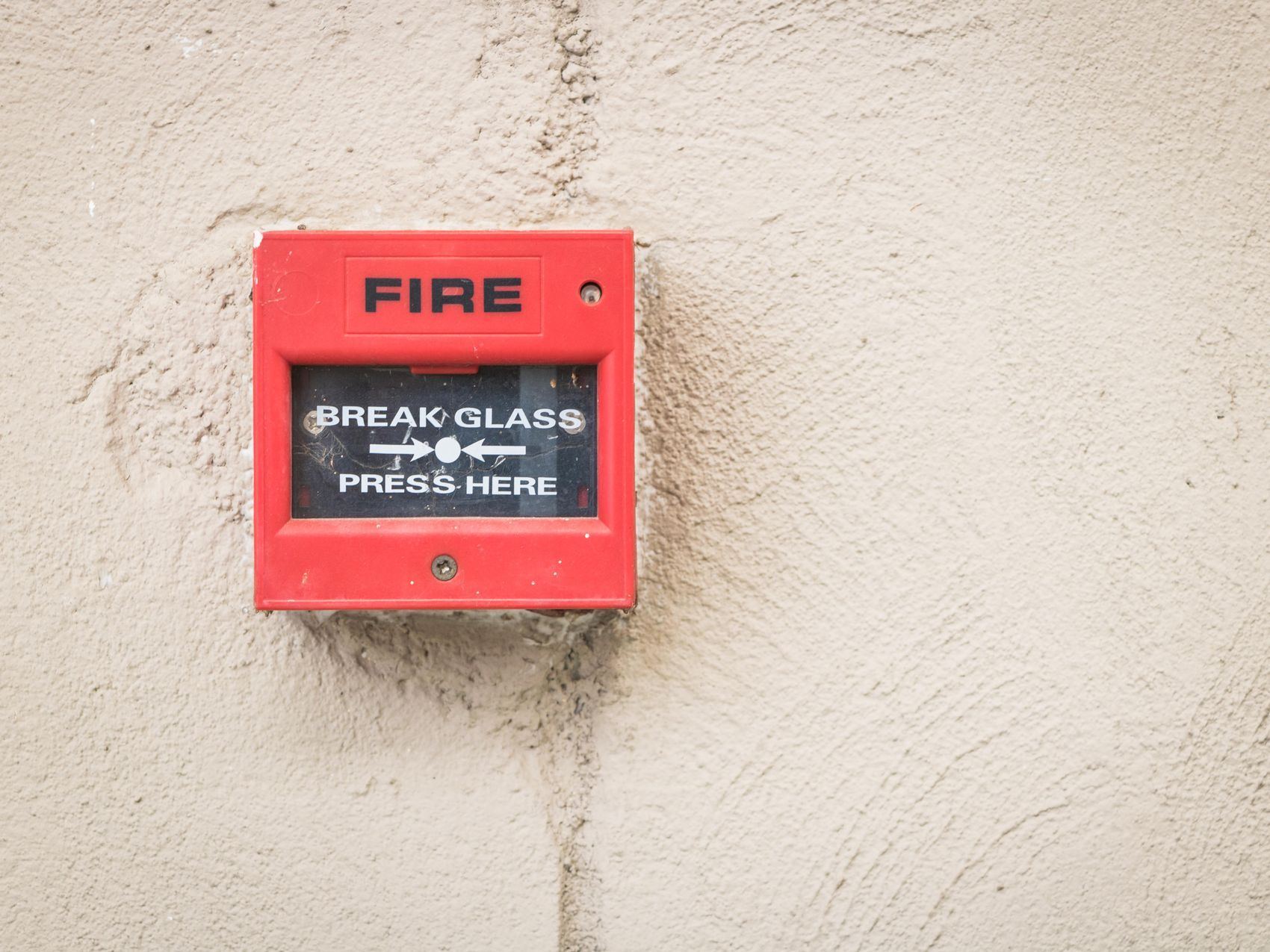
Every rented home in England must have a working smoke alarm on each storey where there is a room used as living accommodation. That includes hallways, landings and open-plan spaces. A room used for sleeping, cooking or sitting counts as living accommodation.
Heat alarms sit in kitchens. Smoke alarms trigger too easily near cooking steam, so a heat alarm reacts to temperature rise instead. Landlords must fit them before a tenancy begins. The rule applies to houses, flats and bedsits alike.
In larger shared houses, known as houses in multiple occupation, the requirements go further. An HMO fire risk assessment in Epsom will set out exactly which type of system the building needs. Interlinked alarms are common in these properties, so a fire detected on one floor warns everyone at once. Flats within a converted house follow separate rules depending on whether they share a hallway or have their own entrance.
Mains power versus battery units
Alarms can run on sealed batteries or connect to the mains electrical supply with a battery backup. Building regulations usually require mains-wired alarms when a property is newly built, converted or significantly altered. For existing tenancies, battery-operated alarms meet the legal minimum if they carry a tamper-proof, long-life battery.
Interlinked systems are worth considering even where they are not strictly required. When one alarm detects smoke or heat, every unit sounds. This matters most in homes with several floors or long corridors where a distant alarm might go unheard. Wireless interlinking avoids running new cables through finished walls.
A specialist fire risk assessor can advise on which setup suits a particular layout. They look at ceiling heights, escape routes and how quickly occupants would hear a warning. Their recommendation forms part of the wider fire risk management plan for the building.
Testing and replacing alarms over time
Landlords must check that every alarm works on the day a tenancy starts. After that, the responsibility for routine testing usually passes to the tenant. Most manufacturers recommend pressing the test button once a month. Batteries in non-sealed units need replacing annually, though sealed lithium cells last up to ten years.
The whole unit has a lifespan. Smoke alarms typically expire after ten years because the sensor degrades. Heat alarms last roughly the same length of time. The manufacture date sits on the back of the device. If a tenant reports a fault, the landlord must arrange a repair or replacement without delay.
Keeping a short written record of installation dates and test results helps during inspections. Councils ask for this evidence when reviewing licence conditions. A nominated fire safety person can manage these records for landlords who own several properties and want a single point of contact for compliance tasks.
What the law expects from landlords
The Smoke and Carbon Monoxide Alarm Regulations 2015 set the baseline. They apply to private rented homes across England, including those in Epsom. Local councils enforce the rules and can issue fines if a landlord fails to install or maintain the required alarms.
Carbon monoxide alarms are also mandatory in any room containing a fixed combustion appliance, such as a gas boiler or wood burner. Gas cookers are excluded from this specific requirement, but adding an alarm near one is sensible. The same testing rules apply: working order on day one, tenant checks thereafter.
For blocks of flats, the duty shifts toward the responsible person for the shared parts. Corridors, stairwells and lobbies fall under different legislation. A fire strategy for the building will clarify where individual flat alarms end and communal detection begins. Landlords who let furnished properties should also check that furniture meets fire resistance standards.
When a full fire risk assessment is needed
Fitting alarms is one layer of protection. A fire risk assessment looks at the whole picture: escape routes, flammable materials, electrical safety and how quickly a fire could spread. In Epsom, specialist firms carry out these assessments for rented homes, HMOs and purpose-built flats.
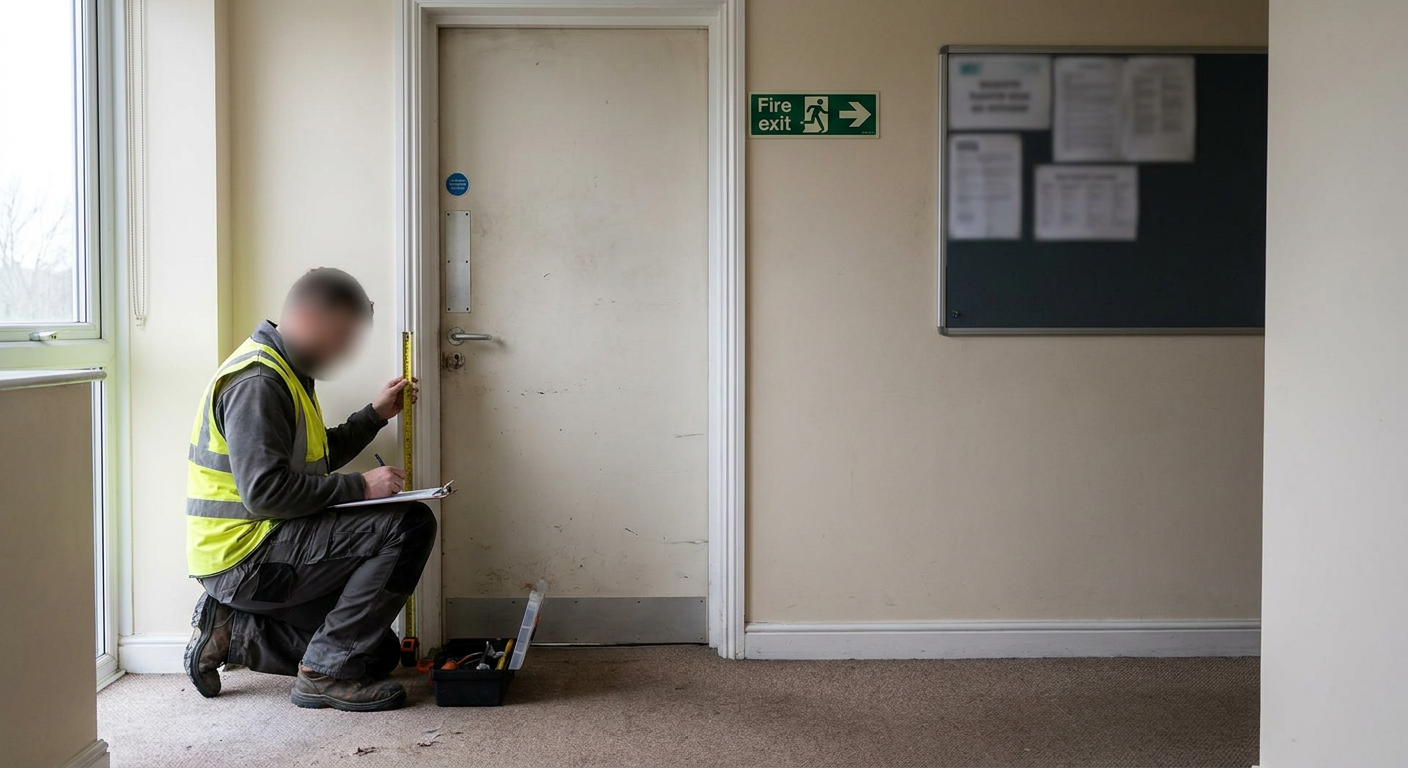
The assessor inspects the property, identifies hazards and writes a report with clear actions. Some findings might call for better compartmentation between rooms, upgraded fire doors or clearer signage along escape routes. Others simply confirm that the current arrangements work.
Landlords often book an assessment when buying a rental property, renewing an HMO licence or responding to a council letter. The resulting document becomes the basis for ongoing safety management. It should be reviewed whenever the building changes use, undergoes renovation or houses a different number of occupants. Keeping it current protects tenants and demonstrates that the landlord takes their duties seriously.
Ask about fire safety in your rented home
Send an enquiry about alarms, assessments or any fire safety concern. A specialist firm will review the details and respond with advice. There is no obligation to proceed.
- No commitment required
- Local specialist response
- Clear next steps