Fire safety guide
Waking watch in Epsom flats: when it is put in place
A waking watch means someone patrols the corridors of a block of flats around the clock. Find out why one gets put in place, what the person on duty actually does, and how it relates to your alarm system and evacuation plan.

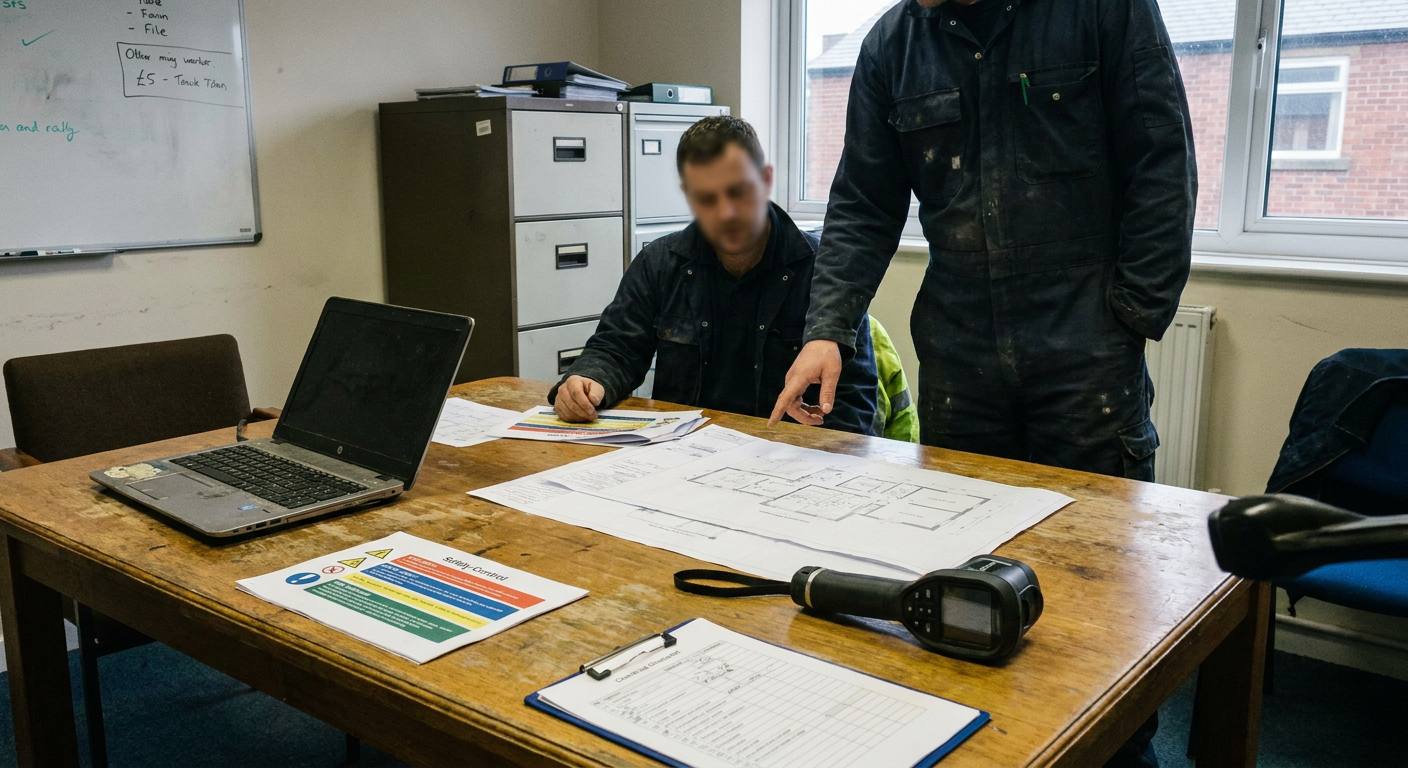
What a waking watch involves
A waking watch is a temporary measure. It starts when a fire risk assessment finds that a building cannot keep residents safe if a fire breaks out at night and the normal alarm or escape arrangements are not reliable enough on their own.
A trained person walks every floor, checks stairwells and corridors, and looks for smoke or signs of fire. They do this constantly. If they find a problem, they raise the alarm so everyone can get out.
The patrol exists because something in the building needs repair or replacement. Until that work finishes, the watch covers the gap. The cost falls on the building owner or managing agent, which is why resolving the underlying problem quickly matters.
If you manage a block of flats in Epsom and have been told you need a waking watch, the first step is usually a fresh look at the [fire risk assessment](/fire-risk-assessment-epsom) to confirm exactly what has failed and what must happen next.
When a waking watch is put in place
The most common reason is a problem with compartmentation. If the walls, floors or ceilings between flats will not hold back fire and smoke long enough for people to escape, staying inside a flat during a fire becomes dangerous. A [compartmentation survey](/compartmentation-survey-epsom) identifies where those barriers have gaps, missing seals or holes left by old pipes and cables.
Another trigger is a broken or inadequate alarm system. If detectors do not reach every corridor, or the panel cannot signal all flats at once, residents might sleep through a fire starting elsewhere in the building. Until the system is fixed, someone must walk the floors instead.
Local fire services or the council can require a waking watch after an inspection. Sometimes the building owner spots the problem themselves during routine maintenance. Either way, the decision comes down to whether the existing fire precautions can protect people while they sleep.
How it links to your evacuation strategy
Most blocks of flats rely on a stay-put policy. That works only if the structure keeps fire contained within the flat where it starts. When compartmentation fails, stay-put stops being safe, and simultaneous evacuation becomes necessary.
Simultaneous evacuation means everyone leaves the building at once when the alarm sounds. That requires clear routes, working emergency lighting and doors that open easily under pressure. A [fire evacuation plan](/fire-evacuation-plans-epsom) sets out who goes where, which stairs to use, and how to account for people who need extra help getting out.
The person on waking watch plays a direct role here. They are often the one who knocks on doors or triggers the manual call points to start the evacuation. Without them, the switch from stay-put to simultaneous evacuation would leave residents without anyone to warn them.
A [fire strategy](/fire-strategy-epsom) document ties these elements together. It records why the original policy changed and what conditions must be met before stay-put can return.
Fixing the problem so the watch can stop
A waking watch ends when the reason it started no longer exists. If the issue was poor compartmentation, a specialist firm fills the gaps with the correct fire-stopping materials and proves the work meets the required standard.
If the alarm system was the cause, it needs upgrading or replacing. That might mean new detectors in every corridor, a central panel that reaches all flats, or a link to a monitoring station. Regular [alarm testing and servicing](/stories/fire-alarm-testing-and-servicing-in-epsom-buildings) keeps the new system reliable so a patrol is never needed again.
Fire doors matter too. A door that does not close fully or has damaged seals lets smoke into the escape route. A [fire door inspection](/fire-door-inspection-epsom) checks every door on the patrol route and flags any that need adjustment.
Once the physical work is done, the fire risk assessment is reviewed. If the assessor confirms the building can contain a fire and warn residents properly, the waking watch stands down.
Who arranges and pays for a waking watch
The responsible person for the building makes the decision. In a block of flats, that is usually the freeholder or the managing agent. If you are unsure whether that role falls to you, check what the [responsible person duties](/duties/responsible-person-epsom) actually require.
Paying for round-the-clock patrols is expensive. The cost typically passes through service charges to leaseholders, which creates pressure to finish the remedial work fast. Delays mean weeks or months of paying for people to walk corridors.
Specialist firms carry out the surveys, install the alarms and repair the compartmentation. The responsible person commissions that work based on the findings of the initial assessment. Keeping written records of every decision, including why the waking watch started and when it stopped, forms part of the [fire safety policy](/fire-safety-policy-and-procedures-epsom) for the building.
Ask about fire safety in your building
Send details about your block of flats. A specialist firm will review the information and explain what steps to take next. There is no obligation to proceed.
- No commitment required
- Local specialists only
- Clear written advice